From the Old Pueblo to the Mile High City: The Ultimate 2026 Relocation Guide
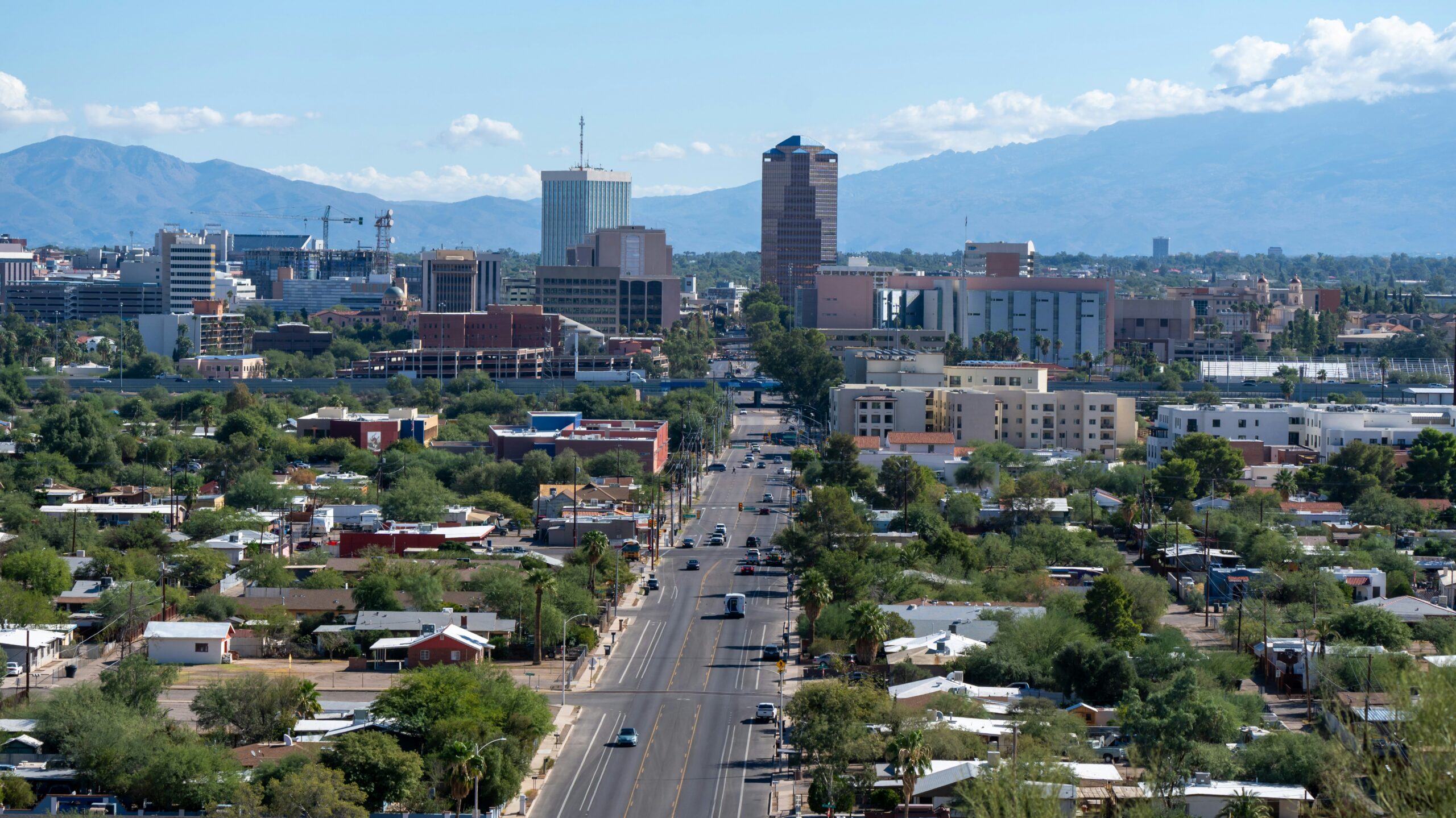
For many, the appeal of Tucson lies in the iconic silhouette of the Saguaro cactus against a purple sunset. But as we move through April 2026, a significant trend has emerged: Arizonans are trading the intense heat of the Sonoran Desert for the crisp air and jagged peaks of the Colorado Rockies. Moving to Denver from Tucson is more than just an 800-mile journey north; it is a lifestyle evolution that swaps year-round triple-digit temperatures for a true four-season experience.
At Usaj Realty, we specialize in helping out-of-state buyers navigate the complexities of the Denver market. Whether you are looking for a historic bungalow that reminds you of Sam Hughes or a sleek high-rise in the heart of the city, our team provides the data-driven insights necessary to make your relocation seamless. This guide serves as your roadmap for transitioning from the “Old Pueblo” to the “Mile High City” in today’s dynamic real estate landscape.
Cost of Living & Market Dynamics: Tucson vs. Denver in 2026
The first hurdle for any relocation is understanding the financial shift. As of April 18, 2026, the real estate markets in both cities have seen steady appreciation, but the price gap remains significant.
- Median Sales Price (April 2026): In Tucson, the median sales price for a single-family home currently hovers around $432,000. In contrast, the Denver Metro area has seen its median single-family price climb to approximately $805,000, reflecting the continued demand for the Front Range lifestyle.
- Inventory & Competition: Tucson’s market, while steady, often moves at a more relaxed pace. Denver is currently in the thick of its “Spring Rush.” Homes in desirable Denver neighborhoods are often under contract within 6 to 9 days. For Tucson buyers, this means having “ready-to-act” financing and pre-approvals in hand before the first showing is non-negotiable.
- Tax Implications: One pleasant surprise for Tucsonans is Colorado’s residential property tax rate. While Pima County rates typically hover around 1.1%, Colorado remains one of the lowest in the nation, with an effective rate averaging approximately 0.49%. This can significantly offset the higher mortgage payments associated with Denver’s home prices.
- Purchasing Power: Moving to Denver from Tucson often requires a shift in expectations. A budget that buys a sprawling four-bedroom ranch on an acre in the Catalina Foothills might translate to a meticulously renovated 1920s bungalow in a walkable Denver park-side community like Washington Park or a luxury modern condo in the city center.
Want to know what your Denver home is worth? Get a free, no-obligation valuation from Usaj Realty experts who know your neighborhood inside and out. Get Your Free Home Valuation
Cultural Shift: Swapping the Desert for the Front Range
While both cities boast roughly 300 days of sunshine a year, the “feel” of that sunshine is remarkably different. Transitioning from Tucson’s “dry heat” to Denver’s alpine climate requires some adjustment. In Denver, you will experience four distinct seasons—sometimes all in the same week. It is not uncommon to see a 70-degree afternoon followed by a light spring snowfall the next morning.
The lifestyle shift is equally profound. In Tucson, outdoor life often revolves around Sabino Canyon or Mount Lemmon during the summer months. In Denver, you are at the doorstep of a global outdoor recreation hub. By mid-April, many Denverites are “multisporting”—skiing “The Basin” (Arapahoe Basin) in the morning and playing a round of golf or hitting the Cherry Creek bike path in the afternoon.
Professionally, Denver offers a more diversified economic landscape. While Tucson relies heavily on defense and the University of Arizona, Denver has solidified its status in 2026 as a premier hub for tech, aerospace (with giants like Lockheed Martin and Sierra Space nearby), and renewable energy. Finally, don’t forget the altitude. Moving from Tucson’s ~2,400 feet to Denver’s 5,280 feet requires extra hydration and a few weeks of acclimation before tackling those 14,000-foot peaks.
Where to Live: Denver Neighborhoods for Former Tucsonans
Finding the right “vibe” is essential for a successful relocation. Here is where we recommend Tucsonans start their search:
For the “Bungalow” Lovers: Washington Park & Park Hill
If you love the historic charm of Sam Hughes or West University, you will feel at home in Washington Park or Park Hill. These areas are defined by historic brick architecture, mature tree canopies, and a strong sense of community. “Wash Park” offers an expansive green space that is arguably the crown jewel of the city’s park system.

For the Urban Sophisticate: RiNo & LoHi
If you frequent 4th Avenue or downtown Tucson for the arts and nightlife, look no further than the River North Art District (RiNo) and Lower Highland (LoHi). RiNo is Denver’s epicenter for murals, breweries, and innovative dining, while LoHi offers some of the best skyline views and walkability in the city.
For the Investor/Growth Seeker: Villa Park
For those looking for appreciation potential, Villa Park remains a high-interest area in 2026. Its proximity to the W-Line Light Rail and the ongoing redevelopment around Mile High Stadium makes it a prime target for those looking to build equity quickly.
For the Mountain Access Enthusiast: Golden & Lakewood
If your priority is being the first one at the trailhead, look toward the western edge of the metro area. Golden offers a small-town, mountain-town feel with immediate access to Clear Creek and the foothills, acting as the perfect gateway to the Rockies.
Ready to find your next Denver home? Browse our current listings and connect with our expert agents to explore available properties. Start Your Search
Logistics of the 800-Mile Move
The drive from Tucson to Denver typically follows I-10 to I-25 North. As of mid-April 2026, drivers should be aware of Raton Pass on the New Mexico/Colorado border. Even when it is warm in the valley, this high-altitude pass (7,834 feet) can experience sudden snow squalls. Always check COtrip.org for real-time road conditions before heading north.
Once you arrive, you’ll need to navigate Colorado’s vehicle registration. Denver has specific emissions requirements, particularly for older vehicles. However, Colorado continues to offer some of the nation’s best “green” vehicle incentives in 2026, including significant state tax credits that can be paired with federal incentives for EVs. For families, researching school districts is a top priority; we recommend comparing Denver Public Schools (DPS) with surrounding high-performing districts like Cherry Creek or Jefferson County.
Pro Tip: When setting up your new home, you’ll likely deal with Xcel Energy for electricity and Denver Water. We maintain a list of trusted local vendors—from locksmiths to landscapers—to help you settle in quickly.
Planning a move to Denver or relocating to a new neighborhood? Let Usaj Realty help you find the perfect fit for your lifestyle and budget. Explore Living in Denver
Why Local Expertise Matters (The Usaj Realty Advantage)
Buying a home from 800 miles away can be daunting. At Usaj Realty, we’ve perfected the “Sight Unseen” strategy. We use high-definition virtual tours, drone footage, and hyper-local neighborhood scouting to ensure you know exactly what you are buying before you even set foot in the state.
In a high-demand market like Denver’s, negotiation is an art form. We leverage our deep-rooted reputation in the local industry to get our clients’ offers accepted, even in multi-offer scenarios. From the initial search to the final closing, our relocation services are designed to take the stress out of moving to Denver from Tucson.
Frequently Asked Questions (FAQ)
Is Denver more expensive than Tucson?
Yes, the entry price for a home is higher in Denver. However, the return on investment (ROI) and historical appreciation rates in Denver have consistently outperformed many desert markets over the last decade, making it a strong long-term play for your net worth.
What is the best time of year to move to Colorado?
Late spring (May/June) or early autumn (September/October) are ideal. You avoid the peak of winter snow and the mid-summer heat, making the logistics of unloading a moving truck much more comfortable.
How do I prep my Arizona home for sale while looking in Denver?
We recommend requesting a home valuation early. We can coordinate with top-tier agents in Tucson to ensure your sale and purchase are perfectly timed.
Are there specific “desert-to-mountain” landscaping rules?
While you may miss the Saguaros, Denver is a leader in xeriscaping. Many residents use native, drought-resistant plants like Blue Grama grass and Rabbitbrush that thrive in high altitudes while minimizing water usage—a practice very familiar to Tucsonans.
Ready to take the next step in your Denver real estate journey? Our expert agents are here to answer your questions and help you achieve your goals. Get in Touch with Usaj Realty
Conclusion: Your Denver Story Starts Here
Moving to Denver from Tucson is a bold step toward a new chapter filled with mountain adventures, economic opportunity, and vibrant city living. While the landscape may be different, the sense of community and the pursuit of a high quality of life remain the same.
Ready to trade the desert for the peaks? Contact Usaj Realty today for a personalized Denver relocation consultation. Let’s find your new home in the Mile High City.