Do Trees Increase Property Value in Denver?
The short answer is yes. Recent data and historical studies from the University of Washington indicate that mature trees can increase property values by 3% to 15%. In the current 2026 market, increasing your home’s value with landscaping is one of the most consistent ways to ensure a high return on investment.
Beyond aesthetics, trees provide critical “ecosystem services” that modern Denver buyers prioritize:
- Energy Efficiency: Properly placed deciduous trees can reduce summer cooling costs by up to 30% by shading south and west-facing windows.
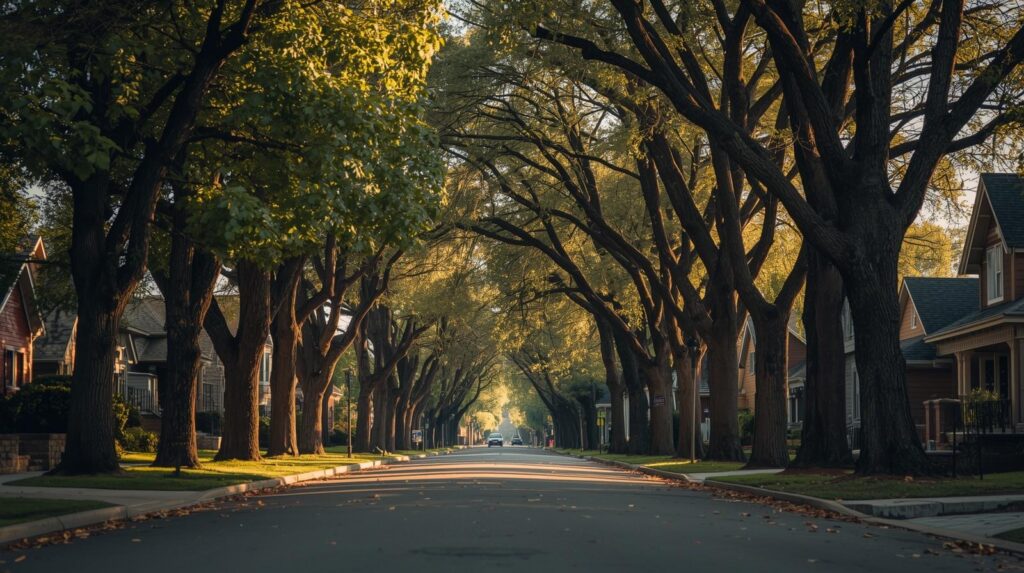
- Immediate Curb Appeal: First impressions are everything; a canopy-shaded driveway often commands a premium price compared to sun-scorched lots.
- Health & Comfort: Trees significantly reduce the “Urban Heat Island Effect,” keeping local neighborhoods up to 10 degrees cooler during Denver’s peak summer months.
The History and Future of Denver’s Urban Forest
Originally a short-grass prairie, Denver’s lush canopy is a testament to over a century of intentional urban forestry. While past initiatives like the Mile High Million successfully laid the groundwork through 2025, the focus in 2026 has shifted toward canopy equity—ensuring that every neighborhood, from Highlands to Montbello, enjoys the economic and cooling benefits of a healthy forest.
Protecting Your Investment: The Emerald Ash Borer Threat
If you are buying a home in a tree-lined neighborhood, you must be aware of the Emerald Ash Borer (EAB) in Denver. With approximately 1 in 6 Denver trees being an Ash, this invasive species poses a significant threat to property values and neighborhood safety.
2026 Treatment Outlook:
Homeowners are encouraged to follow the Be A Smart Ash 2026 treatment schedule. If you have a healthy Ash tree, professional trunk injections remain the most effective way to prevent loss. Since replacing a mature 50-foot tree can cost thousands of dollars and decades of growth, proactive maintenance is essential for protecting your home’s equity.
How to Get Free Trees for Your Denver Home
The city makes it easy for residents to contribute to the Denver urban tree canopy. Programs like Denver Digs Trees offer low-cost or free trees for Denver residents during the spring and fall planting seasons.
Best Trees for Denver Front Yards
When selecting a tree to boost your home’s future resale value, consider these hardy species that thrive in our semi-arid climate and withstand heavy spring snows:
- Honey Locust: Provides dappled shade, allowing grass to grow underneath while offering high drought tolerance.
- Catalpa: Known for its unique flowers and large, heart-shaped leaves that provide dense shade.
- Kentucky Coffee Tree: An extremely “tough” tree that is structurally sound and requires minimal water once established.
- Hackberry: A native workhorse tree that stands up well to Denver’s unpredictable weather patterns.
The Future of Denver’s Greenery
By checking your neighborhood’s “Treeport Card,” you can see how your local canopy compares to the rest of the city. As we move through 2026, a healthy, vibrant urban forest remains a hallmark of Denver’s most resilient and valuable real estate markets.
Expert Real Estate Consultation
Thinking of selling a home with a beautiful mature canopy? Or looking to buy in one of Denver’s “greenest” neighborhoods? Schedule a consultation today to see how landscaping and local environmental trends impact your specific home value in 2026.