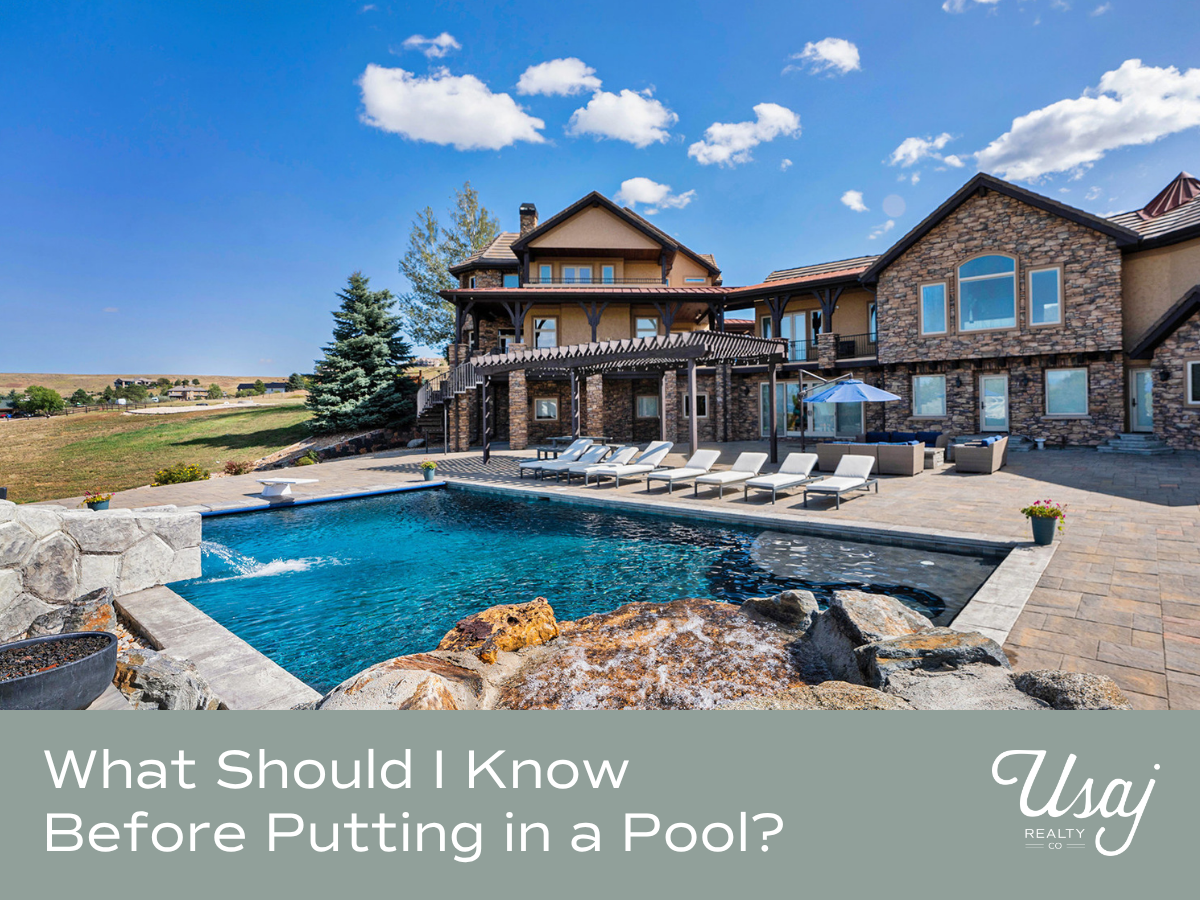
Putting in a pool is a significant investment, with costs ranging from $30,000 to over $100,000. The final price tag depends on factors like the type of pool, its size, and any extra features you choose. While a pool can increase your home’s value, its main return on investment is the enjoyment it brings. To save money, consider a smaller, simpler design and be prepared for ongoing maintenance costs.
What Should I Know Before Putting in a Pool?
So, you’re dreaming of sunny days spent lounging by your very own pool. It’s a fantastic dream, and one that many homeowners share. But before you start picking out pool floats, it’s important to understand the costs and considerations that come with putting in a pool. This guide will walk you through everything you need to know, from the initial installation costs to the long-term maintenance.
How Much Does an In-Ground Pool Cost?
The cost of putting in a pool can vary widely, but on average, you can expect to spend between $44,499 and $87,349. However, this is just a starting point. The final cost will depend on several factors, including the size, material, and any special features you add.
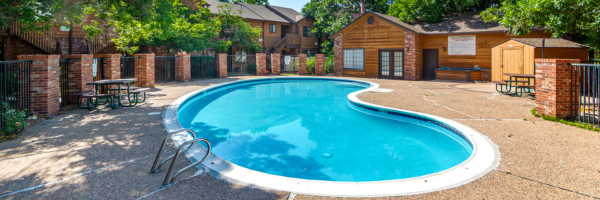
One of the biggest factors influencing the cost is the material you choose for your pool. There are three main types of in-ground pools: vinyl, fiberglass, and concrete.
| Material | Average Cost to Install | Lifespan |
| Vinyl | $40,000 – $75,000 | 10 years |
| Fiberglass | $55,000 – $100,000 | 25+ years |
| Concrete | $65,000 – $120,000 | 50-100 years |
- Vinyl pools are the most affordable option upfront, but the liner will need to be replaced every 10 years or so, which can cost several thousand dollars.
- Fiberglass pools are a popular mid-range option. They are durable and require less maintenance than other types of pools.
- Concrete pools are the most expensive but also the most durable and customizable. You can create a custom shape and size to fit your backyard perfectly.
What Other Costs Should I Consider?
The cost of the pool itself is just one piece of the puzzle. There are several other expenses you’ll need to budget for:
- Permits: You’ll need to get a permit from your local building authority before you can start construction. This can cost anywhere from $450 to $1,800.
- Decking: You’ll need a deck or patio around your pool. The cost of this will depend on the material you choose, but it can range from $3,000 to $12,000.
- Fencing: Most areas require a fence around the pool for safety. This can cost between $1,500 and $10,000.
- Pool Cover: A pool cover is a good investment to keep debris out and help maintain the water temperature. A basic winter cover can cost as little as $75, while an automatic cover can cost up to $22,000.
You’ll also need to factor in ongoing costs like:
- Insurance: A pool can increase your homeowner’s insurance premium.
- Taxes: A pool can increase your property value, which may lead to higher property taxes.
- Maintenance: You’ll need to budget for regular cleaning, chemicals, and repairs. This can cost between $1,200 and $1,800 per year.
- Utilities: Your water and electricity bills will likely increase.
Does Putting in a Pool Increase My Home’s Value?
A pool can increase your home’s value, but it’s not a dollar-for-dollar return on your investment. On average, a pool can increase your home’s value by about 5-8%. However, the real value of a pool is the enjoyment it brings to you and your family.
How Can I Save Money on a Pool Installation?
If you’re on a tight budget, there are a few ways you can save money on your pool installation:
- Choose a smaller size: The smaller the pool, the less it will cost to install and maintain.
- Keep the design simple: A standard rectangular pool will be more affordable than a custom shape.
- DIY some of the work: If you’re handy, you can save money by doing some of the work yourself, such as landscaping or installing the fence.
- Get multiple quotes: Be sure to get quotes from several different pool installers to ensure you’re getting the best price.
Ready to Take the Plunge?
Putting in a pool is a big decision, but it can be a wonderful addition to your home. If you’re ready to start the process, the team at Usaj Realty can help. We can help you find a home with a pool or a property that’s perfect for a new pool installation. Contact us today to learn more.
And if you’re looking for more information on buying or selling a home, be sure to check out our Learning Center for more helpful articles and resources.