Updated: March 15, 2026
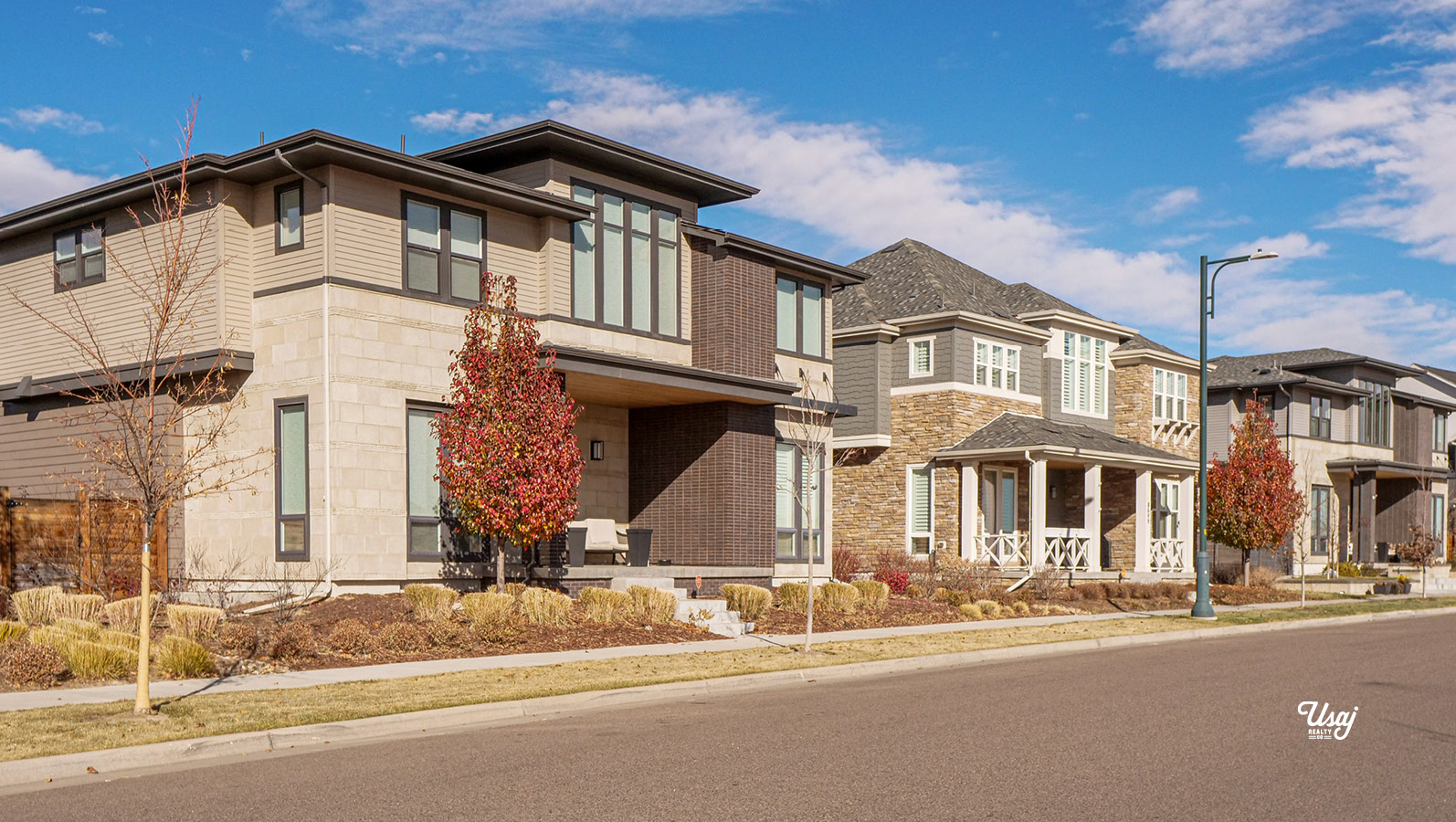
Navigating the Denver real estate market in 2026 requires more than just a pre-approval letter. As competition remains steady, many buyers find themselves asking: How much over asking price should I offer in Denver? While overbidding is a common strategy to win a bidding war, it comes with specific financial risks, most notably the Denver home appraisal gap. In this guide, we break down how to craft a competitive offer while protecting your financial interests.
Is Overbidding Necessary in the Current Denver Market?
In our current 2026 market, inventory levels fluctuate significantly by neighborhood. Before deciding to offer over the listing price, consult our Denver Neighborhood Guides to understand recent appreciation rates and whether the current market conditions justify an aggressive offer strategy.
Understanding the Pros of Overbidding
Strategically overbidding can secure the home you want in a competitive market, potentially avoiding future price hikes if the market continues to appreciate. It demonstrates serious intent to sellers, which can sometimes be the deciding factor when multiple offers are on the table.
The Risks (Cons) of Overbidding
The primary risk is overextending your budget. If you bid significantly over asking, you must be prepared for the possibility of a low appraisal. Buyers need to ensure they have sufficient cash-on-hand to cover the difference if the home fails to appraise at the offer price.
What is an Appraisal Gap and How to Handle It?
If you offer $600,000 on a home listed for $580,000, but the appraiser values it at $590,000, you have a $10,000 appraisal gap. Confused about appraisal gaps? Contact a Usaj Realty Broker to run the numbers on your specific property.
What is Appraisal Gap Insurance?
For buyers concerned about the Denver home appraisal gap, discuss coverage options and financing strategies with your lender early in the home-buying process to mitigate risk.
How to Build a Winning Home Buying Strategy
Preparation is key. Whether you are a first-time buyer or an investor, utilize our First-Time Homebuyer Resources to strengthen your offer without reckless overbidding. Working with a professional Denver real estate agent ensures you have access to historical data that helps justify your offer price.
Frequently Asked Questions About Overbidding on a Home
What does overbidding mean in real estate?
Overbidding means offering more than the listing price of a home. Buyers often do this in competitive markets to increase their chances of winning in a multiple-offer situation.
Is it common to bid over asking price in Denver?
Yes, overbidding can be common in certain Denver neighborhoods, especially when inventory is low and demand is high. The likelihood depends on the specific price point, location, and how the home is priced relative to comparable sales.
How much over asking price should I offer?
There is no fixed number. The right amount depends on recent comparable sales, the level of competition, and your financial comfort level. A strong strategy is to base your offer on data rather than emotion.
Does overbidding guarantee you will win the home?
No. While price is important, sellers also consider terms like financing strength, appraisal gap coverage, closing timeline, and overall certainty of closing. A well-structured offer can sometimes beat a higher price.
What are the benefits of overbidding?
Overbidding can help you secure a home in a competitive market, demonstrate seriousness to the seller, and potentially lock in a property before prices rise further if the market continues to appreciate.
What are the risks of overbidding on a home?
The biggest risks include overpaying relative to market value, facing a low appraisal, and needing to bring additional cash to closing. Buyers should also consider long-term resale value when offering above asking price.
What is an appraisal gap when overbidding?
An appraisal gap occurs when a home appraises for less than the contract price. The difference between the appraised value and your offer is the amount you may need to cover out of pocket.
How can you protect yourself when overbidding?
Buyers can protect themselves by setting a clear maximum budget, using an appraisal gap cap, reviewing comparable sales carefully, and working with an experienced agent to structure the offer strategically.
Should you always overbid in a competitive market?
No. Overbidding should be a strategic decision based on the property and market conditions. Some homes are intentionally priced low to attract attention, while others may already be priced at or above market value.
Can you negotiate after overbidding?
Yes, depending on the contract terms. If issues arise during inspection or appraisal, there may still be opportunities to renegotiate the price or terms before closing.
Is overbidding a good strategy for first-time buyers?
It can be, but only if the buyer understands the financial impact. First-time buyers should be especially cautious about cash reserves and avoid stretching beyond what they can comfortably afford.
How do you know if a home is worth overbidding?
Reviewing comparable sales, understanding neighborhood trends, and evaluating the property’s condition and uniqueness are key. A home may justify overbidding if it is well-priced and highly desirable relative to recent sales.
What role does your real estate agent play when overbidding?
An experienced agent helps analyze pricing data, assess competition, structure your offer, and guide you on risk management so you can stay competitive without overexposing yourself financially.
Can overbidding hurt you in the long term?
It can if you significantly exceed market value and the market slows or declines. However, if you plan to hold the property long term and the market appreciates, the impact may be less significant.