
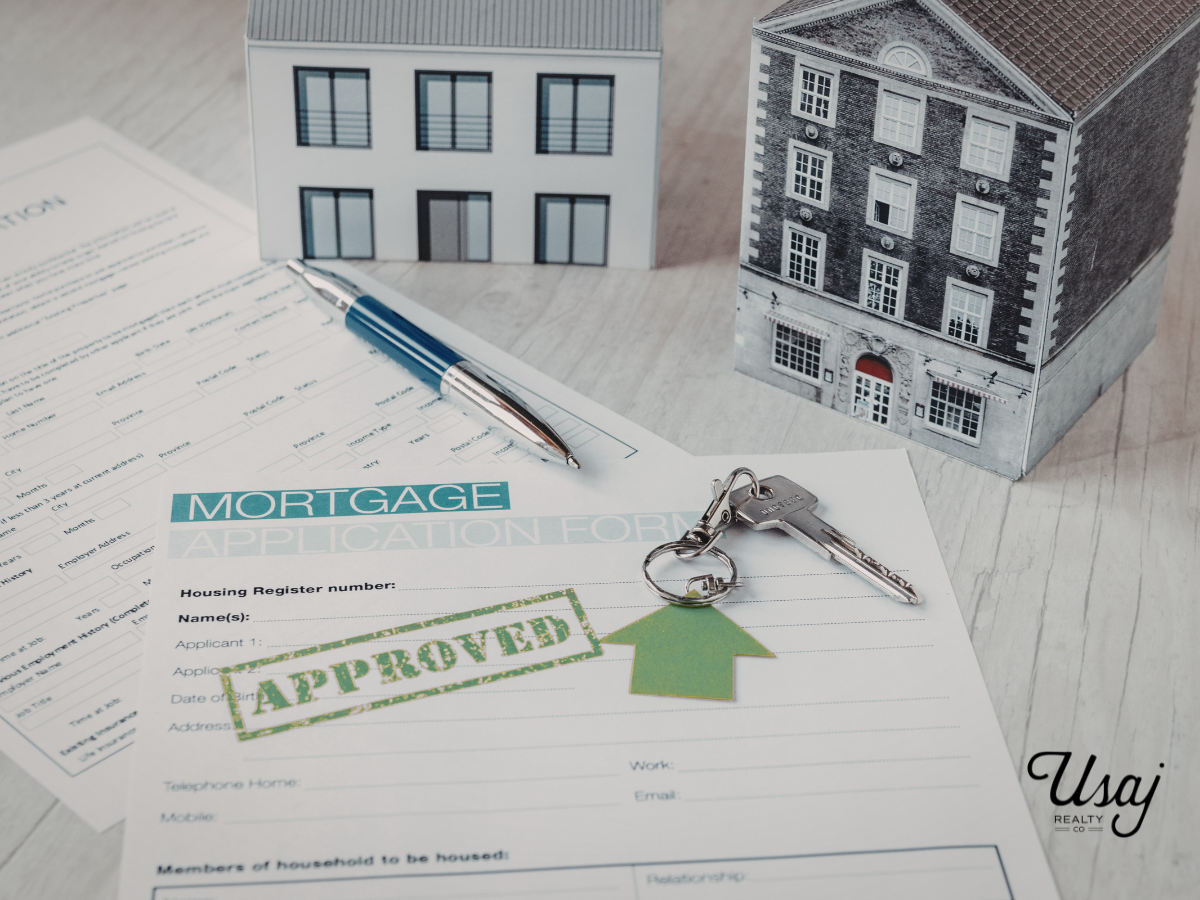
In the fast-moving Denver real estate market, searching for a home without a pre-approval is like entering a race without shoes. You might see the finish line, but you’ll never reach it. Whether you are eyeing a bungalow in Wash Park or a modern condo in RiNo, the reality of the Denver real estate market is that timing and credibility are everything.
Being “loan ready” isn’t just about having money in the bank; it’s about proving to sellers that you are a sure bet. This guide is your step-by-step masterclass on moving from “just browsing” to “fully verified and ready to offer.”
Pre-Qualification vs. Pre-Approval: Knowing the Difference
Many first-time buyers use these terms interchangeably, but in a competitive offer situation, the difference is massive.
- Pre-Qualification (The “Soft” Estimate): This is a preliminary look at your finances based on unverified data you provide to a lender. It’s a great starting point for your own budgeting, but it is not a “Golden Ticket.”
- Pre-Approval (The “Hard” Commitment): This involves a verified review of your financial life. The lender performs a “hard pull” of your credit and reviews your actual documentation.
Why it matters in Denver: In high-demand neighborhoods like the Highlands or Lowell, sellers often won’t even grant a showing—let alone look at an offer—without a verified Denver mortgage pre-approval letter. This is where Usaj Realty’s expertise begins: ensuring you are positioned to win before you even step through the front door.
Phase 1: The “Pre-Flight” Financial Check
Before you start the paperwork, you need to understand the three pillars of your financial health:
- Credit Health: While a hard pull can slightly dip your score, credit bureaus allow a 45-day “shopping window” where multiple inquiries for a mortgage count as a single event.
- The DTI Ratio: Your Debt-to-Income ratio (DTI) dictates your budget. Most lenders look for a DTI below 36–43%. This includes your future mortgage payment plus all existing debts (student loans, car payments, etc.).
- The Down Payment & The “Seasoning” Rule: Lenders require your funds to be “seasoned,” meaning the money must sit in your account for at least 60 days. Any large, un-sourced deposits (like “mattress money”) can stall your underwriting. If you’re receiving help from family, you’ll need a Gift Letter explicitly stating that no repayment is expected.
Phase 2: Your Mortgage Document Checklist
To get mortgage pre-approval in Denver, you need to be a master of organization. Lenders will ask for “every page” of your statements—even the ones that are intentionally left blank.
The Standard Essentials:
- Identity: Government-issued ID and Social Security verification.
- Income: Your 30 most recent days of pay stubs and the last two years of W-2s.
- Assets: 60 days of full bank statements for every account you own.
The 1099/Self-Employed Bonus Section:
If you are a freelancer or business owner, you face higher scrutiny. To be “loan ready,” you must provide:
- Year-to-Date Profit & Loss (P&L) Statement: Must be current (within 60-90 days of application).
- Balance Sheet: Showing your business’s assets and liabilities.
- Two Years of Tax Returns: Including all schedules (Schedule C is vital).
Phase 3: The Step-by-Step Application Process
Step 1: Choosing a Lender
Local expertise matters. National “big box” banks often struggle with Denver’s specific closing timelines. Usaj Realty works with Denver’s top mortgage professionals and can provide a shortlist of trusted partners who know our market’s nuances.
Step 2: Comparing Loan Estimates (LE)
Don’t just look at the interest rate. Compare the APR (Annual Percentage Rate). While the interest rate affects your monthly payment, the APR includes lender fees, points, and mortgage insurance, representing the “true cost” of the loan.
Step 3: The Rate Lock Distinction
A common misconception is that a pre-approval locks in your interest rate. It does not. A pre-approval confirms how much you can borrow, while a Rate Lock guarantees a specific interest rate for a set period (usually 30–60 days). Most buyers cannot lock a rate until they have a property under contract.
Phase 4: What Not to Do After Mortgage Pre-Approval
Once you have that letter, you enter the “Danger Zone.” Your financial profile must remain frozen in time until the keys are in your hand. Follow these Golden Rules:
- No Large Purchases: That new Tesla or furniture set can skyrocket your DTI and kill your loan.
- No Job Changes: Moving from a W-2 salary to a 1099 commission-based role is a major red flag for underwriters.
- No Credit Shifts: Do not open new credit cards or—surprisingly—close old ones, as this can negatively impact your credit age and score.
- No Un-sourced Deposits: Keep your “mattress money” where it is. Every dollar entering your account must have a clear paper trail.
The “What Ifs”: When the Property Says “No”
Sometimes, you are approved, but the house isn’t. In Denver, we see this frequently with:
- Non-Warrantable Condos: If an HOA is involved in a lawsuit or has insurance issues, major lenders may refuse to fund the loan.
- Appraisal Gaps: In a hot market, if you bid $600k but the home appraises for $580k, the lender will only lend based on the $580k. You must be prepared to cover the “gap” in cash.
- Environmental Hazards: Proximity to industrial zones (like the Suncor refinery) can occasionally impact insurance premiums or loan eligibility.
Conclusion: Putting Your Letter to Work
Getting “loan ready” is the most grueling part of the process, but it’s also the most rewarding. Once you have that verified pre-approval in hand, the stress of the “financial unknown” disappears. You aren’t just a shopper anymore; you are a buyer with the power to compete and win.
You’ve done the hard work of gathering the paperwork—now it’s time for the fun part.
Ready to put your pre-approval to work? Contact Usaj Realty today. Let’s take that letter and find the Denver home it was meant for.