
Whether you’re an experienced astrophotographer or a local looking for a weekend escape, the Centennial State offers some of the premier “dark sky” destinations in the world. It is well known that Colorado’s National Parks offer unmatched outdoor vacation experiences, and their pristine nighttime canopy is a massive part of that appeal.
Top National Parks for Colorado Stargazing
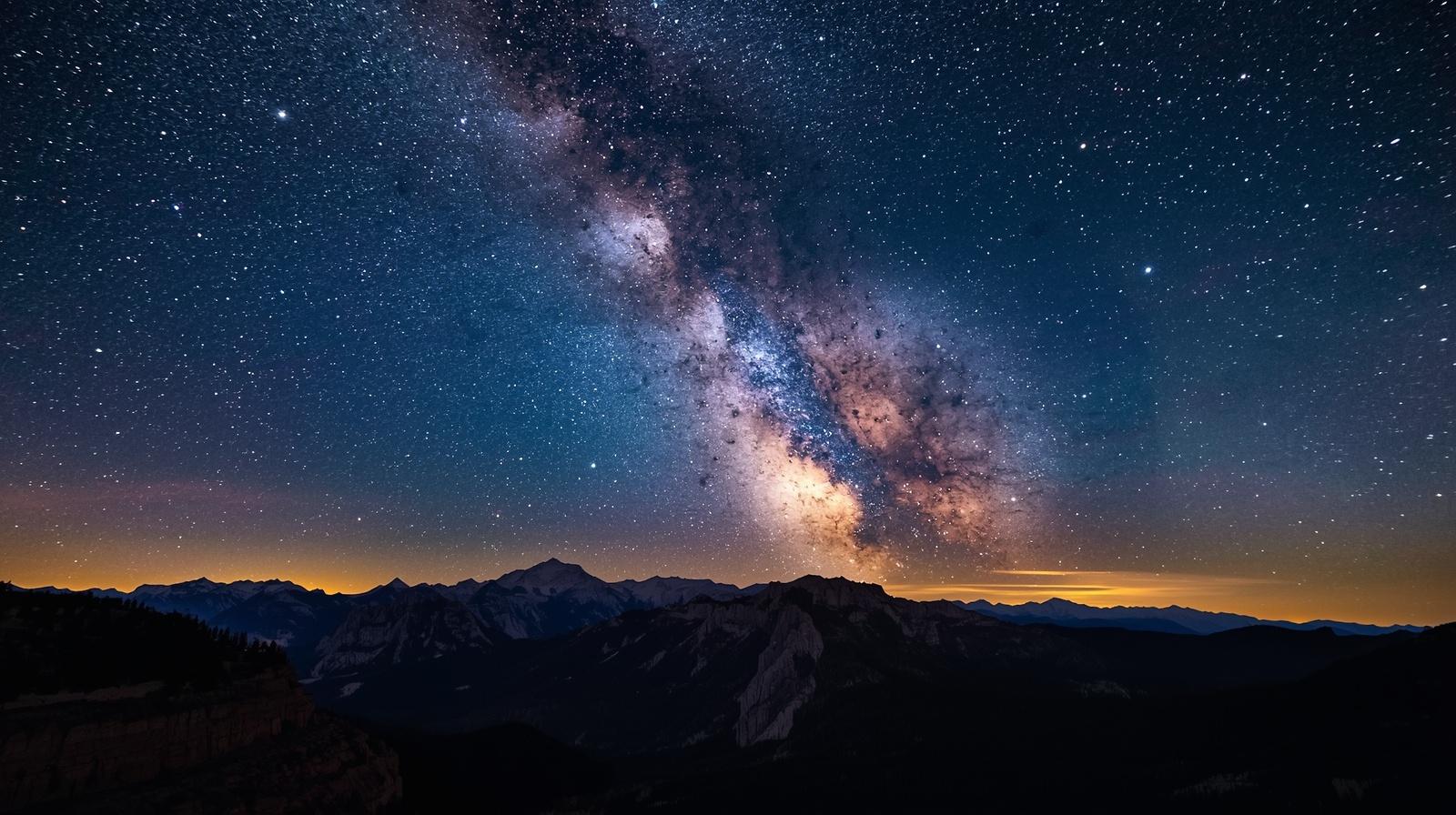
Rocky Mountain National Park
Rocky Mountain National Park is a legendary haven for stargazers. Because of its high elevation and strict light pollution controls, it offers a crystal-clear window into the universe. During April, the crisp mountain air provides excellent transparency for viewing deep-sky objects.
- Best For: High-altitude clarity and guided ranger programs.
Great Sand Dunes National Park
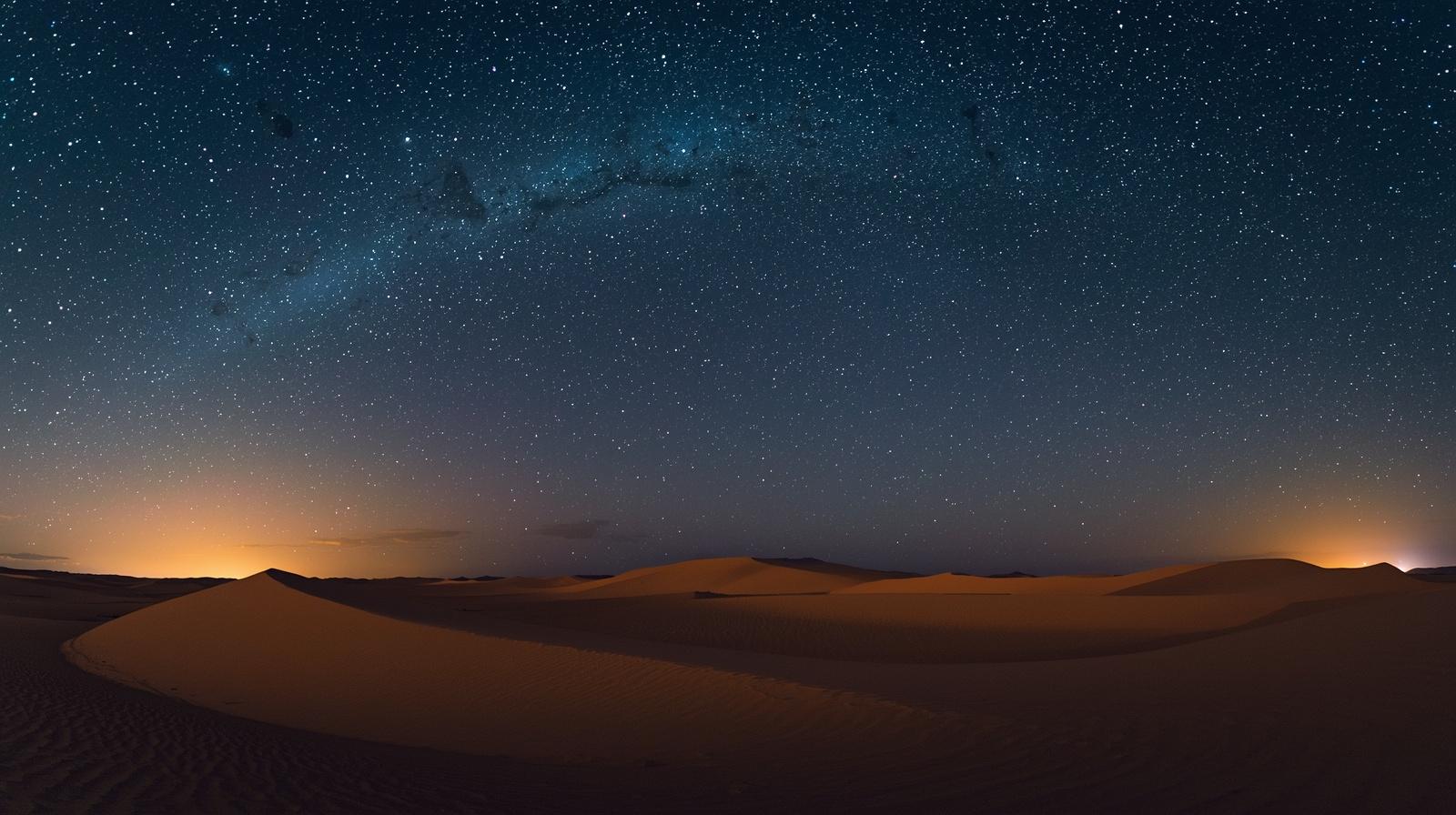
If you are searching for the best place to see the Milky Way in Colorado, look no further. As a certified International Dark Sky Park, the dunes offer a surreal, 360-degree view of the heavens. The lack of mountain peaks directly to the east and west allows for an expansive horizon-to-horizon view.
- Best For: Seeing the Milky Way core and meteor showers.
Mesa Verde National Park
Beyond its ancient cliff dwellings, Mesa Verde is an International Dark Sky Park. Watching the stars rise over the same landscape the Ancestral Puebloans observed centuries ago is a profound experience.
- Best For: Combining cultural history with astronomical observation.
Best Spots for Stargazing Near Denver & Hidden Gems
Garden of the Gods (Stargazing Near Denver)
While many people visit during the day, Garden of the Gods offers some of the best stargazing near Denver and Colorado Springs. The dramatic red rock silhouettes against the stars create a perfect composition for night photography.
Pro Tip: Head to the pull-outs along Juniper Way Loop for the best views away from streetlights.
Paint Mines Interpretive Park
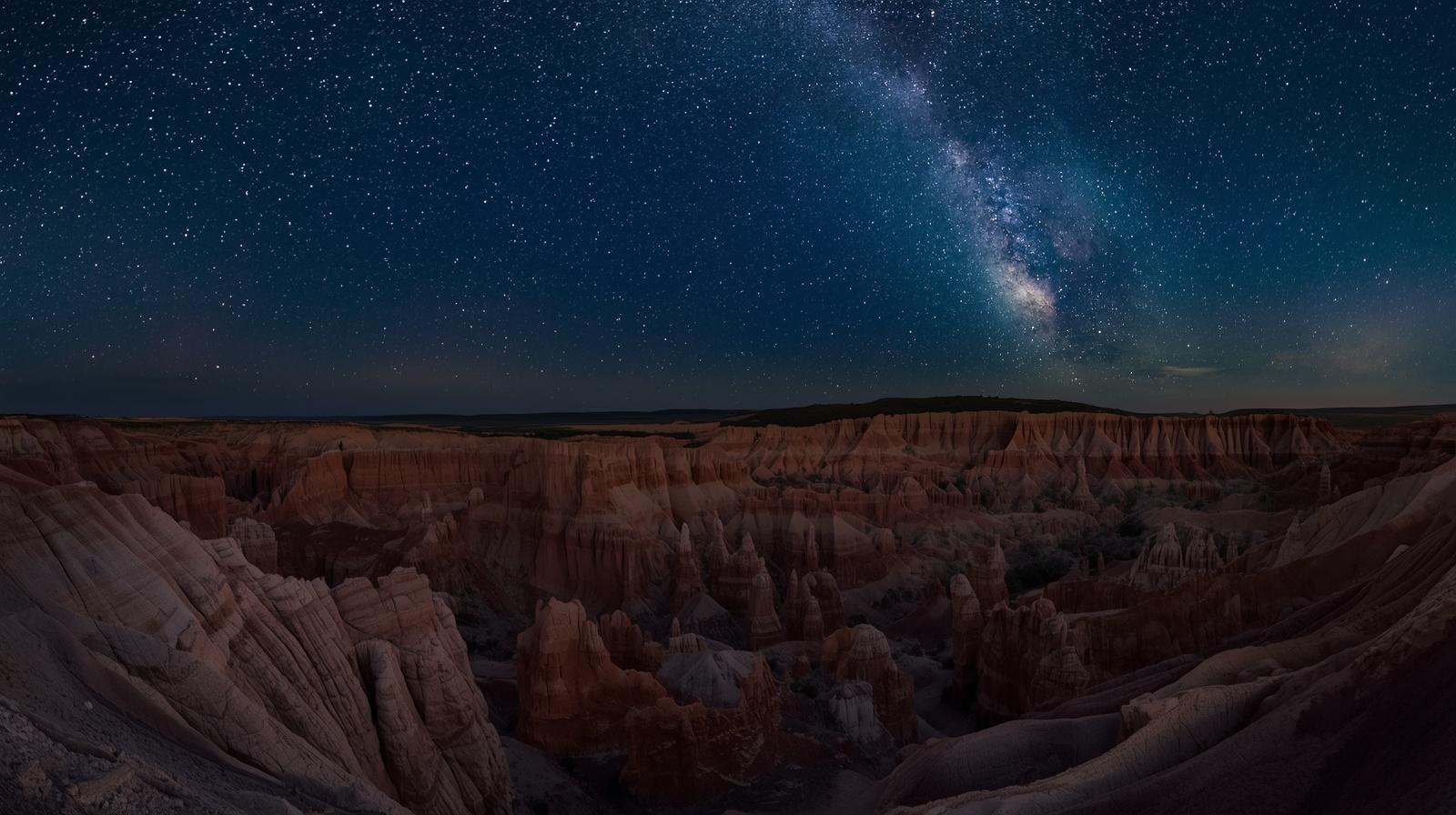
For those who enjoy visiting Colorado’s obscure attractions, the Paint Mines are a must-see after dark. The white hoodoos and colorful clay formations look like an alien planet under the glow of the stars.
Smokey Jack Observatory (Westcliffe & Silver Cliff)
Westcliffe and Silver Cliff were the first communities in Colorado to receive Dark Sky certification. The Smokey Jack Observatory features a retractable roof and a powerful 14-inch telescope, making it a hub for Colorado dark sky enthusiasts.
Jackson Lake State Park
Located on the eastern plains, Jackson Lake is often called an “oasis.” Its distance from the Front Range lights makes it one of the darkest spots in the northern part of the state.
Essential Stargazing Tips for April 2026
- Check the Moon Phase: For 2026, the best viewing window this month is around the New Moon to ensure the sky is at its darkest.
- Monitor the Lyrids: The Lyrid meteor shower peaks in late April; these spots are perfect for catching “shooting stars.”
- Use Red Light Only: Protect your night vision by using red-tinted flashlights or smartphone apps with a night-mode filter.
- Prepare for the Cold: April nights in the mountains remain freezing. If you’re staying up late and plan to hike the next morning, you might even consider the recovery benefits of mountain cold plunges to invigorate your system.
Frequently Asked Questions (FAQ)
Where is the best place to see the Milky Way in Colorado?
The Great Sand Dunes National Park and the Westcliffe area are the top choices. Because of their “International Dark Sky” certification and low humidity, the Milky Way core is visible to the naked eye during the spring and summer months.
What are the best stargazing spots near Denver?
While city lights interfere with visibility, Echo Lake Park (on the way to Mount Blue Sky) and Garden of the Gods offer significantly darker skies within a 60-90 minute drive of the Denver metro area.
When is the best time for stargazing in Colorado?
Stargazing is excellent year-round, but the “Milky Way Season” typically runs from March to October. Winter months offer the clearest skies due to lower moisture in the air.
Do I need special equipment to visit Colorado Dark Sky Parks?
No! Most certified parks are clear enough that you can see thousands of stars and planets with the naked eye. However, a pair of 10×50 binoculars can reveal craters on the moon and distant star clusters.