

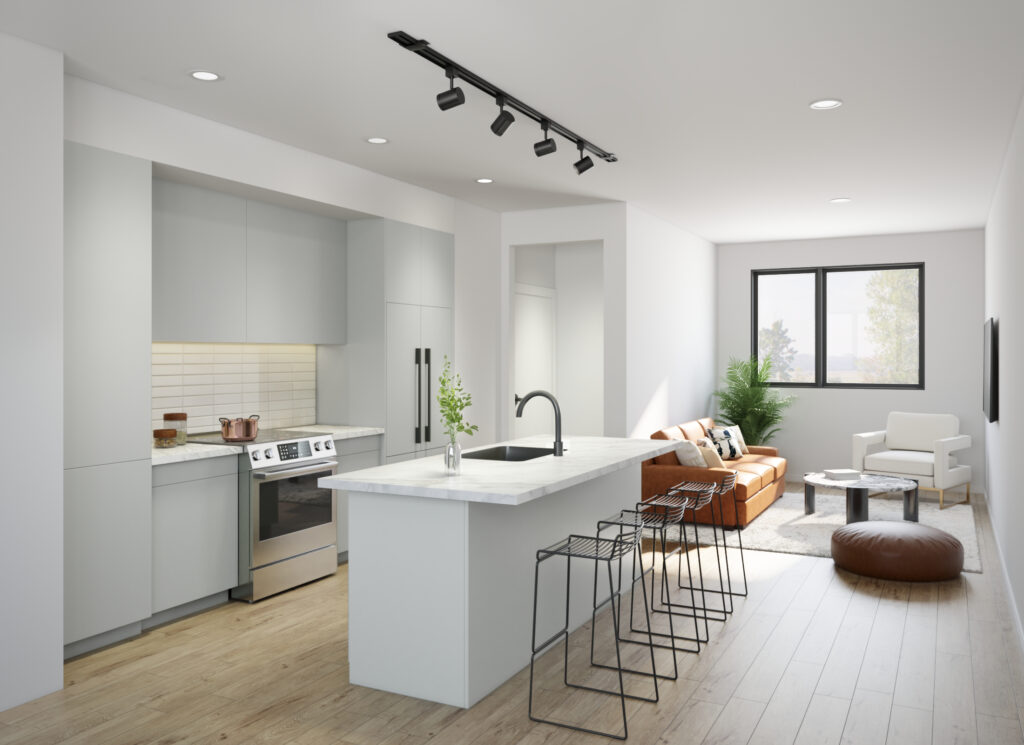
Current Trends in Denver Home Renovations and ROI
The surge in home improvement projects that began a few years ago has evolved. In 2026, Denver homeowners are focusing on “multi-purpose” living—converting basements into high-end home offices or building “ADUs” (Accessory Dwelling Units) for additional rental income. While these projects significantly boost a home’s value, they also come with strict Denver building permit requirements.
What Projects Require a Building Permit in Denver?
Navigating the rules of the Denver Community Planning and Development (CPD) can be complex. Generally, any project that involves structural integrity, safety, or major systems will require professional oversight.
- Structural Changes: Moving or removing load-bearing walls.
- Electrical & Plumbing: Adding new outlets, moving a kitchen sink, or upgrading an electrical panel.
- Additions: Expanding your home’s footprint or “popping the top.”
- External Structures: Large decks, she-sheds with electricity, or new garages.
Common Renovations That Don’t Require a Permit
If you are looking for DIY home projects where no permit is needed, focus on cosmetic “refreshes” that don’t alter the core systems of the house. These include:
- Painting (interior and exterior).
- Installing new flooring or carpeting.
- Replacing existing light fixtures (without changing wiring).
- Minor landscaping and fence repairs (under certain heights).
The Risks of Selling a House with Unpermitted Work
If you’re planning on selling a house with unpermitted work, be prepared for scrutiny. Modern buyers are tech-savvy; they often check “city filings” before even stepping foot in a property. Unpermitted work can lead to:
- Lender refusals to finance the buyer.
- Mandatory “tear-outs” to inspect electrical or plumbing work.
- Significant price drops during the inspection objection phase.
In Colorado, failing to disclose unpermitted work can lead to legal liabilities long after the closing date.
Buying a Fixer-Upper in Denver: Managing Permits and Costs
Is it worth buying a fixer-upper in Denver in today’s market? The answer is yes—if you do your due diligence. When browsing Denver fixer-upper properties, always factor the cost of permits and professional architectural drawings into your budget.
Working with an experienced Usaj Realty broker ensures you have an advocate who knows how to spot red flags in a property’s permit history before you sign a contract.

Denver Home Renovation FAQ (2026)
Do I need a permit to replace kitchen cabinets in Denver?
Generally, cosmetic updates like replacing kitchen cabinets, installing new flooring, or painting do not require a permit in Denver. However, if your cabinet project involves moving a kitchen sink, adding new electrical outlets, or removing a wall, you must apply for the appropriate Denver building permits.
What happens if I sell a house with unpermitted work?
Selling a house with unpermitted work in Colorado requires full legal disclosure. It can lead to significant delays, lender financing denials for the buyer, or the city requiring you to bring the work up to 2026 safety codes before the sale can close. Savvy Denver buyers often check city filings during the inspection period.
Do I need a permit to move a kitchen sink?
Yes. Moving a kitchen sink involves altering the plumbing lines and drainage systems. This requires a plumbing permit from the Denver Community Planning and Development department to ensure the work meets current sanitation and safety standards.
Is a permit required for building a “she-shed” or home office in the backyard?
In Denver, small accessory structures under a certain square footage may not need a building permit. However, if you plan to add electricity, plumbing, or heating to your backyard home office, a permit is mandatory to ensure it is zoned correctly and safe for occupancy.