Moving to Denver from Phoenix: The 2026 Relocation & Lifestyle Guide
As we navigate the spring of 2026, a distinct migration pattern has solidified: the “Sun Belt to Mountain West” pipeline. For years, Phoenix was the ultimate destination for those seeking growth and sunshine, but as of March 2026, many Valley residents are looking north. The allure of trading 115°F summer afternoons for Denver’s crisp mountain air and four distinct seasons has never been stronger. Whether you are seeking a more sustainable climate or a more diverse economic landscape, moving to Denver from Phoenix represents a significant lifestyle upgrade.
At Usaj Realty, we have spent the last year helping hundreds of families and investors with relocating to Denver from the Sonoran Desert to the Rockies. This guide is designed to serve as your comprehensive resource for navigating the 800-mile journey, understanding the current 2026 market dynamics, and finding a neighborhood that feels like home.
Denver vs. Phoenix: 2026 Cost of Living & Market Analysis
The financial transition from Phoenix to Denver has shifted over the last two years. While Denver has historically been the more expensive market, the gap is narrowing as Phoenix infrastructure costs and insurance premiums rise. Here is how the landscape looks as of March 26, 2026:
The Financial Landscape
While Arizona offers a lower flat state income tax (currently 2.5%), Colorado’s property tax rates remain among the lowest in the country, often sitting below 0.5% effective rate. A major win for Phoenix transplants is the utility shift. In the Valley, the cost of cooling a home during the relentless summer months often exceeds the cost of heating a Denver home in the winter. Furthermore, Denver’s 2026 energy initiatives have incentivized heat pump installations and residential solar expansion, significantly lowering average monthly overhead for new homeowners compared to the rising SRP and APS rates in Arizona.
Real Estate Market Data (Q1 2026)
- Median Sales Price: As of March 2026, the median sales price for all residential properties in the Denver Metro area sits at $715,000, compared to Phoenix’s $528,000. While the entry point is higher, Denver’s appreciation rate in early 2026 has outpaced Phoenix by 2.4%, signaling a more robust long-term investment backed by a more diversified tech and aerospace economy.
- Inventory Levels: Denver is currently seeing 2.9 months of supply. This represents a “balanced” market leaning slightly toward sellers, providing buyers more leverage and inspection contingencies than they had during the hyper-competitive years of the early 2020s.
- Mortgage Rate Environment: With March 2026 rates hovering around 6.125% for a 30-year fixed, buying power has stabilized. Many Phoenix sellers are leveraging their significant home equity—built during the Arizona boom—to make large down payments, neutralizing the impact of current rates.
Ready to find your next Denver home? Browse our current listings and connect with our expert agents to explore available properties that fit your Phoenix equity. Start Your Search
For those looking for investment potential, Denver’s 2026 zoning landscape—which now facilitates “gentle density” and Accessory Dwelling Units (ADUs) in most residential zones following state-wide land-use reforms—makes it an ideal market for those seeking rental income or multi-generational living options.
Lifestyle Shift: Trading “Dry Heat” for “High Altitude”
The move from Phoenix to Denver isn’t just about a change in zip code; it’s a fundamental shift in how you live your daily life.
Climate Adaptation
The biggest shock for Phoenix residents isn’t the cold—it’s the variability. In Denver, you might see 6 inches of snow on a Monday and be wearing a t-shirt on a 65-degree Wednesday. Unlike the “indoor season” of a Phoenix summer, Denver’s climate encourages year-round outdoor activity. The high altitude means the sun is more intense, so your “dry heat” experience will help you adapt, but you’ll swap the monsoon dust storms for crisp afternoon alpine showers and significantly lower humidity.
Outdoor Culture
While Phoenix offers world-class golf and desert hiking in the McDowell Mountains, Denver is the gateway to the “I-70 Ski Culture.” Moving here means gaining access to world-renowned resorts like Vail, Breckenridge, and Keystone within a two-hour drive. In 2026, the shift toward “active transit” is also apparent; Denver residents prioritize proximity to trailheads and the city’s expansive park system (over 250 city parks) over the sprawling backyard pools common in Scottsdale or Gilbert.
Transportation & Connectivity
Phoenix is a city built for the car, but Denver is increasingly a city built for the commuter. The 2026 expansion of the RTD Light Rail and the completion of the new “Bus Rapid Transit” (BRT) corridors on Colfax and Federal Blvd mean you can often reduce car dependency. Additionally, the increased Transit-Oriented Development (TOD) along the Northwest rail corridor has made the suburbs between Denver and Boulder more accessible for tech professionals.
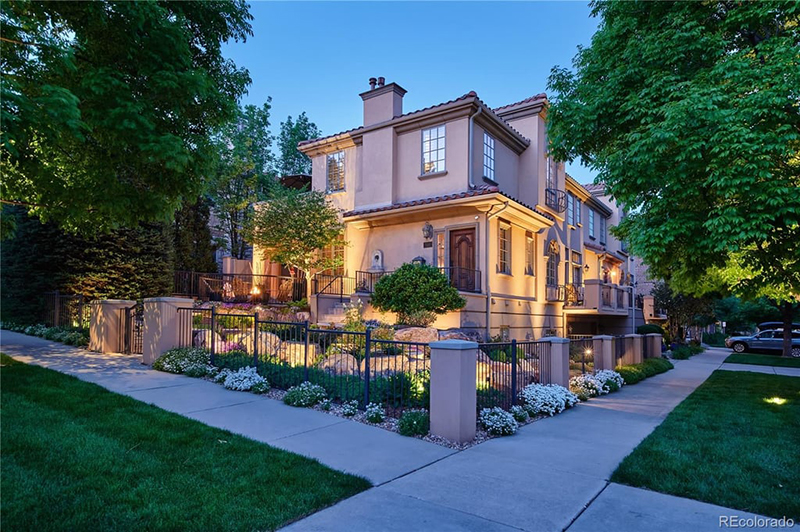
Denver Neighborhoods for Phoenix Transplants
Finding your Denver “twin” neighborhood is the fastest way to feel at home. Here is where Phoenix residents usually find their match:
- If you liked Scottsdale or Paradise Valley: Try Cherry Creek or Greenwood Village. These areas offer the same high-end retail (Cherry Creek North), manicured aesthetics, and luxury real estate you’re accustomed to, with the added benefit of Denver’s premier dining scene.
- If you liked Downtown Phoenix or Roosevelt Row: Try RiNo (River North Art District) or LoHi (Lower Highland). These are the art-centric, industrial-chic hearts of Denver, offering incredible walkability and a vibe that mirrors the “First Friday” energy of the Valley.
- If you liked Gilbert or Chandler: Try Highlands Ranch or Central Park. These master-planned communities are perfect for families, featuring top-tier schools, abundant parks, and a community-first atmosphere that feels very familiar to East Valley residents.
Emerging 2026 Hotspots
Keep an eye on the South Broadway (SoBo) Redevelopment and the National Western Center area. These neighborhoods are seeing massive capital infusion in 2026, including the completion of major mixed-use projects and riverfront restoration, making them prime targets for buyers looking to get in before the next wave of appreciation.
Interested in these Denver neighborhoods? Discover what makes each community unique and find available properties with Usaj Realty’s comprehensive neighborhood guides. Explore Denver Neighborhoods
The Logistics of the 820-Mile Move
Moving from the desert to the mountains requires strategic timing. We recommend planning your move for late spring or early autumn. Moving in July means packing in 110-degree Phoenix heat, while moving in mid-winter risks a blizzard on the I-70 or I-25 corridor.
The “Mile High” Adjustment: Physical preparation is key. Altitude sickness is real for those coming from the low desert (1,000 ft) to 5,280 ft. We advise newcomers to double their water intake and ensure their vehicles are equipped with All-Wheel Drive (AWD) and high-quality winter tires. In Colorado, traction laws are strictly enforced on mountain corridors during winter months.
If you are not ready to commit to a purchase immediately, consider Denver short-term housing in neighborhoods like Wash Park or Congress Park. This allows you to “test drive” the city before finalizing your home search.
FAQ: Moving from the Valley to the Mile High
Is it more expensive to live in Denver than Phoenix in 2026?
On average, housing costs are higher in Denver. However, when you factor in significantly lower cooling costs in the summer and higher average salaries in Denver’s aerospace, renewable energy, and tech sectors, the “disposable income” gap is often smaller than anticipated.
How do I register my car and get a Colorado license?
You have 90 days to register your vehicle. In 2026, the Colorado DMV offers streamlined digital registration for most out-of-state transfers, allowing you to upload your Arizona title and emissions data (if required) online before your appointment.
What are the schools like compared to Arizona?
Colorado generally ranks higher in per-pupil funding and educational attainment. The Cherry Creek School District, Boulder Valley School District, and certain Denver Public Schools (DPS) innovation schools are highly sought after by relocating families.
How does the Denver “Winter” actually feel?
It is much milder than people think. With over 300 days of sunshine, the snow typically melts within 24 to 48 hours in the city. You’ll find yourself wearing a light layer more often than a heavy parka, especially during “Bluebird” winter days.
Ready to take the next step in your Denver real estate journey? Our expert agents are here to answer your questions and help you achieve your goals. Get in Touch with Usaj Realty
Conclusion: Your Denver Future Starts Here
Moving to Denver from Phoenix is more than just a change in scenery; it is an investment in a lifestyle defined by health, outdoor adventure, and economic resilience. While the 2026 market requires a savvy approach, the opportunities for growth in the Mile High City remain robust.
At Usaj Realty, we specialize in making this transition seamless. We understand the unique needs of Phoenix transplants—from navigating home inspections in a different climate to leveraging your Arizona equity. Our local expertise is your greatest asset in this journey.
Ready to swap the desert for the mountains? Contact Usaj Realty today for a personalized Denver relocation consult or browse our Current Denver Listings to see what your Phoenix equity can buy you in the Mile High City.