Moving to Denver from Brooklyn: The 2026 Relocation & Neighborhood Guide
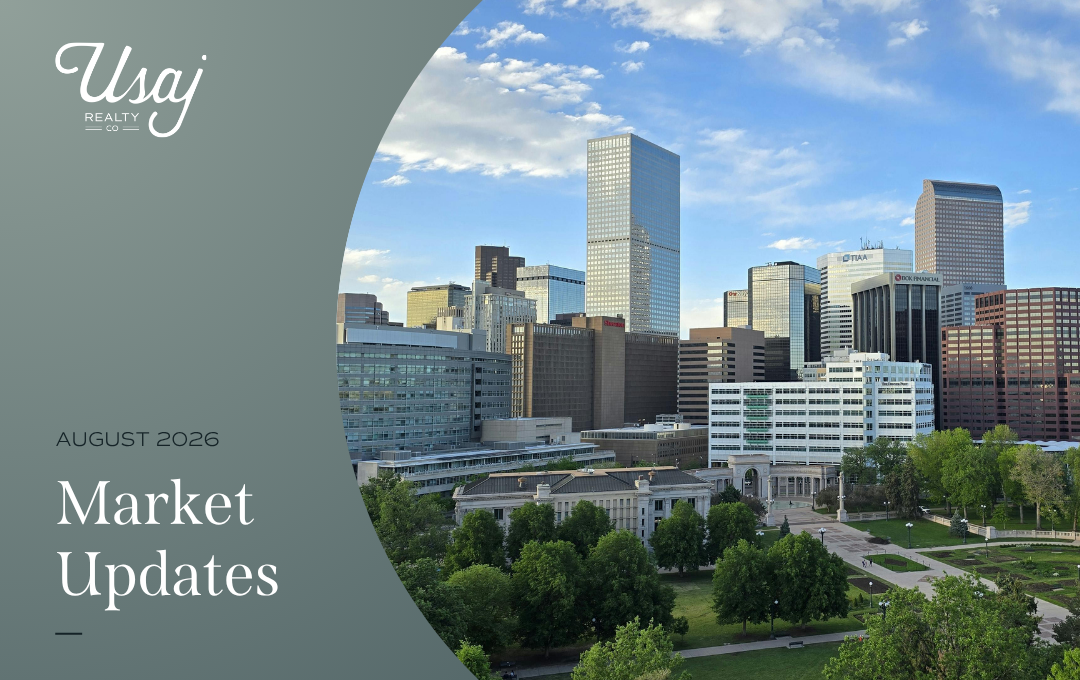
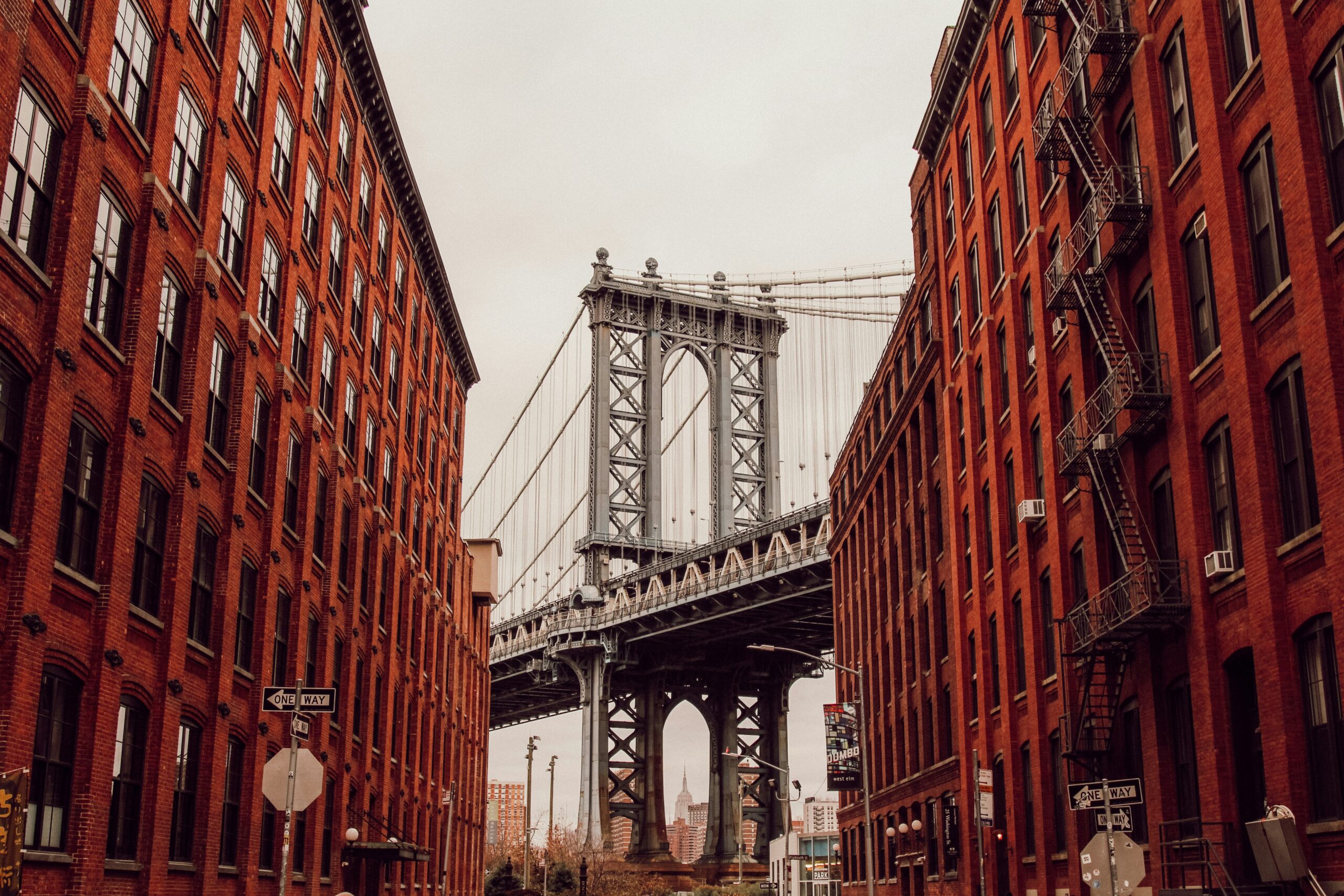
Trading the L-train for the Light Rail is a move more New Yorkers are making as we head into the second quarter of 2026. For years, the “Brooklyn to Mile High” pipeline has funneled creative professionals, tech entrepreneurs, and young families westward, but today, the transition is about more than just escaping the humidity. It’s about a strategic lifestyle upgrade where “urban-meets-alpine” isn’t just a marketing slogan—it’s the daily reality. At Usaj Realty, we specialize in helping coastal relocators navigate this shift, ensuring that your transition from high-density Brooklyn living to Denver’s unique neighborhood clusters is seamless and equity-positive.
Market Reality Check: Brooklyn vs. Denver in 2026
As of April 24, 2026, the financial delta between New York City and the Mountain West remains a primary driver for relocation. While Denver’s market has matured significantly, the value proposition compared to Kings County is still staggering. In Brooklyn, particularly in neighborhoods like Cobble Hill or Carroll Gardens, the average price per square foot continues to hover around $1,350. In contrast, Denver’s premium neighborhoods average approximately $625 per square foot, effectively doubling your purchasing power the moment you cross the Colorado border.
Inventory and Interest Rates: Current data from the Denver Metro Association of Realtors (DMAR) shows approximately 6,240 active listings this month, a healthy 12% increase over last year’s inventory levels. While 2026 mortgage rates have stabilized in the 5.8% to 6.2% range, the “Space Dividend” remains the ultimate closer for New Yorkers. We are seeing Brooklynites trade 900-square-foot walk-ups for 2,400-square-foot detached homes in neighborhoods like the Highlands or Park Hill, complete with finished basements for “Zoom rooms” and private outdoor patios for hosting.
Planning a move to Denver or relocating to a new neighborhood? Let Usaj Realty help you find the perfect fit for your lifestyle and budget. Explore Living in Denver
Investment Outlook: Denver’s 2026 appreciation rates have outpaced the national average by 2.4%, serving as a robust hedge against coastal market volatility. Investors are particularly focused on Denver’s transit-oriented developments and the sustained demand from the aerospace and renewable energy sectors, ensuring that a home purchase here is both a lifestyle choice and a savvy long-term asset.

Neighborhood Matchmaking: Finding Your Denver “Vibe”
To help you navigate our geography, we use “Neighborhood Mirroring”—pairing the Brooklyn streets you know with the Denver blocks you’ll love.
If you love Williamsburg, you’ll love RiNo (River North Art District)
RiNo is Denver’s industrial heartbeat, transformed into a world-class canvas for street art and innovation. Much like the North Side of Williamsburg, RiNo is defined by its warehouse conversions, high-end lofts, and the highest concentration of creative energy in the city. By day, professionals frequent boutique co-working spaces; by night, the district becomes the epicenter of Denver’s culinary scene. In 2026, the Mission Ballroom continues to be the premier venue for live music, while new experimental breweries and Michelin-recommended eateries line Walnut Street. The real estate here is dominated by sleek, industrial-modern townhomes and luxury condo buildings with heavy steel and glass accents.
If you love Park Slope, you’ll love Washington Park (Wash Park)
If your Saturday mornings involve strollers and high-end coffee, Wash Park is your spiritual home. Mirroring the stately brownstone feel of Park Slope, Wash Park features historic Tudors and bungalows surrounding two massive lakes and a 2.5-mile fitness loop. The community’s “backyard” is one of the most prestigious zip codes in the city. The local commerce hub on Old South Gaylord Street features sophisticated boutiques and legacy restaurants that maintain a small-town village feel. Equity holds exceptionally well here, as the barrier to entry remains high and the demand for school-district proximity is constant.
If you love Brooklyn Heights or Cobble Hill, you’ll love Lower Highland (LoHi)
LoHi offers the same sophisticated, walkable charm as Brooklyn’s waterfront neighborhoods but with the addition of dramatic Rocky Mountain views. Connected to downtown via the iconic Highland Bridge, this neighborhood is a mix of Victorian architecture and ultra-modern vertical builds. For the 2026 homebuyer, LoHi offers luxury condos and three-story townhomes with expansive roof decks. The dining scene remains white-hot, with rooftop bars like El Five and culinary staples like Root Down providing some of the best skyline perspectives in the West.
If you love Bushwick or Bed-Stuy, you’ll love Baker or Sunnyside
For those seeking an artistic, gritty-meets-polished atmosphere, Baker and Sunnyside offer the perfect blend of history and edge. Baker is anchored by the Broadway corridor’s vintage shops and the Santa Fe Art District’s galleries. Sunnyside has emerged in 2026 as the go-to for younger demographics, with a surge in independent coffee shops and revitalization projects along 44th Avenue. These neighborhoods offer a mix of historic brick cottages and newer duplexes, providing a lower entry point for first-time buyers compared to the central core.
Interested in this Denver neighborhood? Discover what makes it special and find available properties with Usaj Realty’s comprehensive neighborhood guides. Explore Denver Neighborhoods
The Lifestyle Pivot: What New Yorkers Need to Know
Moving to Denver requires more than just a change of address; it’s a shift in how you move, work, and breathe. One of the biggest adjustments is the transition from the MTA to a car-optional lifestyle. While Denver’s RTD Light Rail system has expanded its lines as of 2026, many residents find that a “hub-and-spoke” lifestyle—where you can bike to work and walk to dinner—is the most rewarding. Denver’s bike infrastructure is now among the best in the country, with protected lanes connecting most central neighborhoods.
The “Sunny 300” myth is mostly reality, but 2026 weather patterns remind us to respect the altitude. New Yorkers often find the dryness surprising; hydration and high-quality moisturizer become daily essentials. Furthermore, the career landscape has evolved. While NYC is the capital of “the hustle,” Denver in 2026 is a global hub for tech and aerospace, but with a “work-to-live” ethos. It’s not uncommon for meetings to end early on Friday so teams can head to the mountains, a culture shift that many Brooklyn transplants find incredibly refreshing.
While we admit the pizza and bagels won’t quite match the standards of Bergen Street, Denver’s dominance in craft beer, farm-to-table dining, and our obsession with green chili more than compensates. The culinary scene here is focused on local sourcing, with 2026 seeing a massive rise in urban farming partnerships with local bistros.
Strategic Advice for 2026 Homebuyers & Investors
Winning in the Denver market requires local intel and a tech-forward approach. At Usaj Realty, we help out-of-state buyers gain a competitive edge through 4K virtual tours, drone site analysis, and our deep network of off-market listings. In a multi-offer environment, which we are still seeing in areas like Park Hill and Sloan’s Lake, having an agent who can navigate “escalation clauses” and “appraisal gaps” is vital.
One key decision for 2026 buyers is whether to choose a renovation project or a turn-key new build. The Denver labor market for renovations remains tight, making turn-key properties in master-planned communities like Central Park highly desirable. However, for those with a vision, the classic brick bungalows in North Denver offer incredible value-add potential. If you are coordinating a “sell-to-buy” transition from Brooklyn, our team works directly with NYC-based partners to align your closing dates and manage the logistics of a cross-country move.
Ready to find your next Denver home? Browse our current listings and connect with our expert agents to explore available properties. Start Your Search
Frequently Asked Questions (FAQ)
Is Denver more affordable than Brooklyn in 2026?
Yes. While the gap has narrowed over the last decade, the total cost of ownership remains lower. Colorado property taxes are among the lowest in the nation, and your dollar typically buys 40-60% more square footage in a comparable neighborhood than in Kings County.
Do I really need a car in Denver?
In neighborhoods like RiNo, LoHi, and Capitol Hill, you can easily live car-free for daily errands. However, if you plan to explore the Rocky Mountains—which is likely why you’re moving here—an AWD vehicle or a membership to a car-sharing service like Colorado CarShare is highly recommended.
Which Denver neighborhoods have the best schools for 2026?
Denver Public Schools (DPS) offers a robust “SchoolChoice” program. Neighborhoods like Washington Park (Steele Elementary) and Park Hill continue to be top-rated for families. We recommend checking the latest 2026 DPS performance ratings for specific school data as boundaries can shift.
How do I handle the altitude change?
The “Mile High” transition is real. For your first 48 hours, double your water intake, limit alcohol, and avoid strenuous exercise. Most people acclimate within a week, but your first hike at Red Rocks will definitely feel more intense than a walk through Prospect Park.
Ready to take the next step in your Denver real estate journey? Our expert agents are here to answer your questions and help you achieve your goals. Get in Touch with Usaj Realty
Your Denver Chapter Starts Here
Brooklyn and Denver may be separated by 1,800 miles, but they share a core DNA: a love for community, culture, and character. Denver simply trades the subway noise for mountain silence and the gray slush for 300 days of sunshine. Ready to trade the Brooklyn bustle for Mile High magic? Explore our exclusive Denver neighborhood guides or schedule a relocation consultation with the experts at Usaj Realty today.