The Science Behind the Chill: Benefits of Cold Water Immersion
The practice of cold water immersion benefits the body far beyond a simple wake-up call. It is a form of hormetic stress—a controlled, short-term stressor that triggers a biological “upgrading” of your systems. In 2026, as more people prioritize holistic health, the benefits of cold water immersion have moved from niche athletic circles to mainstream wellness.
1. Cold Water Therapy for Weight Loss and Metabolism
Did you know that cold plunging can actually help manage weight? Exposure to extreme cold activates “brown adipose tissue” (BAT), or brown fat. Unlike white fat, brown fat burns calories to generate heat. Regular cold water therapy for weight loss works by stimulating this metabolic furnace, helping your body become more efficient at thermoregulation.
2. Accelerated Muscle Recovery for the Colorado Athlete
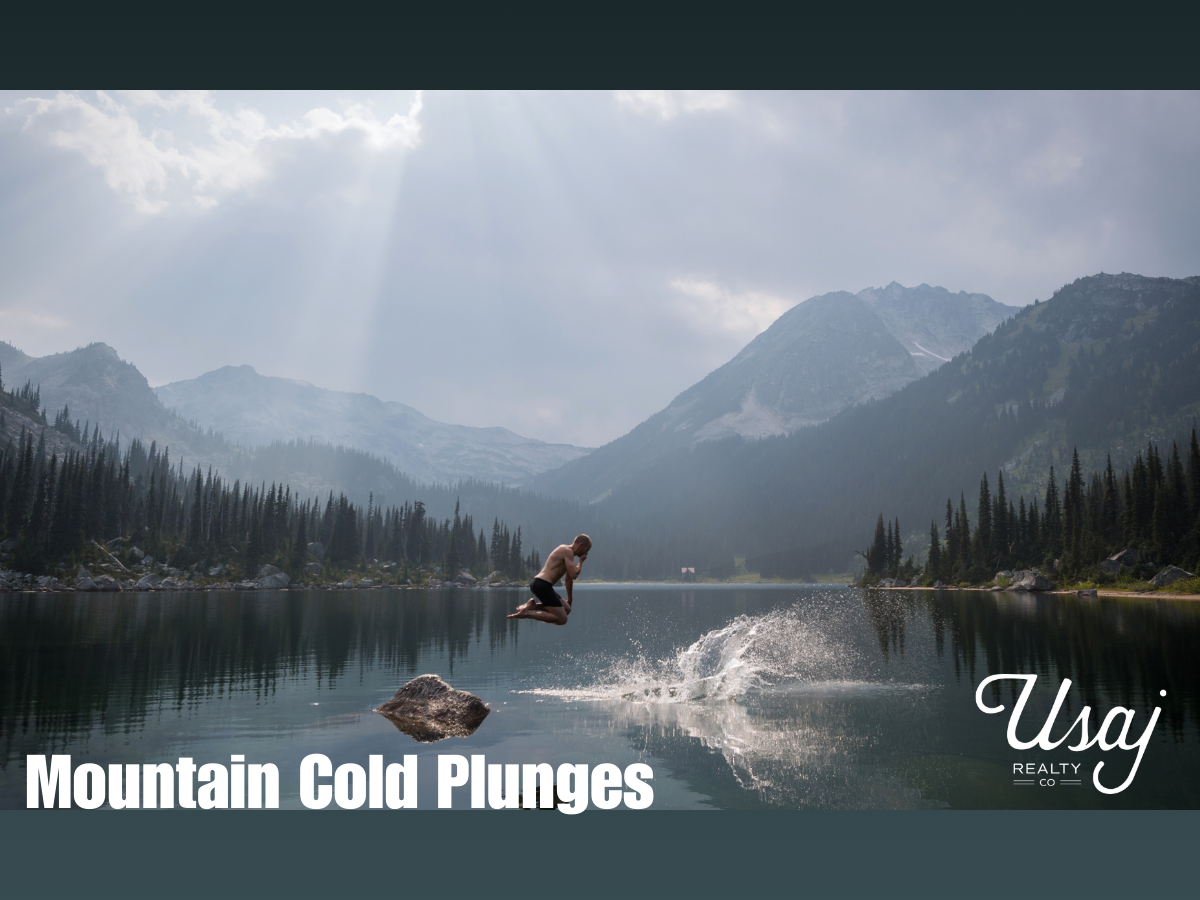
For those of us hitting the trails, an alpine lake recovery hike is the gold standard for maintenance. Cold water causes vasoconstriction, which helps flush out metabolic waste and reduces inflammation. Whether you’ve just finished a 14er or a heavy session at a local CrossFit box, a mountain cold plunge is nature’s most effective cryotherapy chamber, significantly reducing Delayed Onset Muscle Soreness (DOMS).
3. Vagus Nerve Stimulation and Mental Clarity
The “cold shock response” is a workout for your autonomic nervous system. By submerging in icy water, you are essentially “toning” your vagus nerve. This leads to a massive release of norepinephrine and dopamine (often up to a 250% increase), resulting in an immediate “afterglow” of mental clarity, reduced anxiety, and enhanced mood that can last throughout the entire day.
Expert Tip: Planning a wellness retreat this year? Our National Parks offer unmatched outdoor vacation experiences, many of which feature the high-altitude lakes mentioned in this guide.
Top Destinations: Best Places to Cold Plunge in Colorado
Finding natural cold plunges near Denver or deep in the backcountry requires a bit of local knowledge. Here are the top-rated spots for your 2026 plunge list.
Sky Pond: Rocky Mountain National Park Swimming
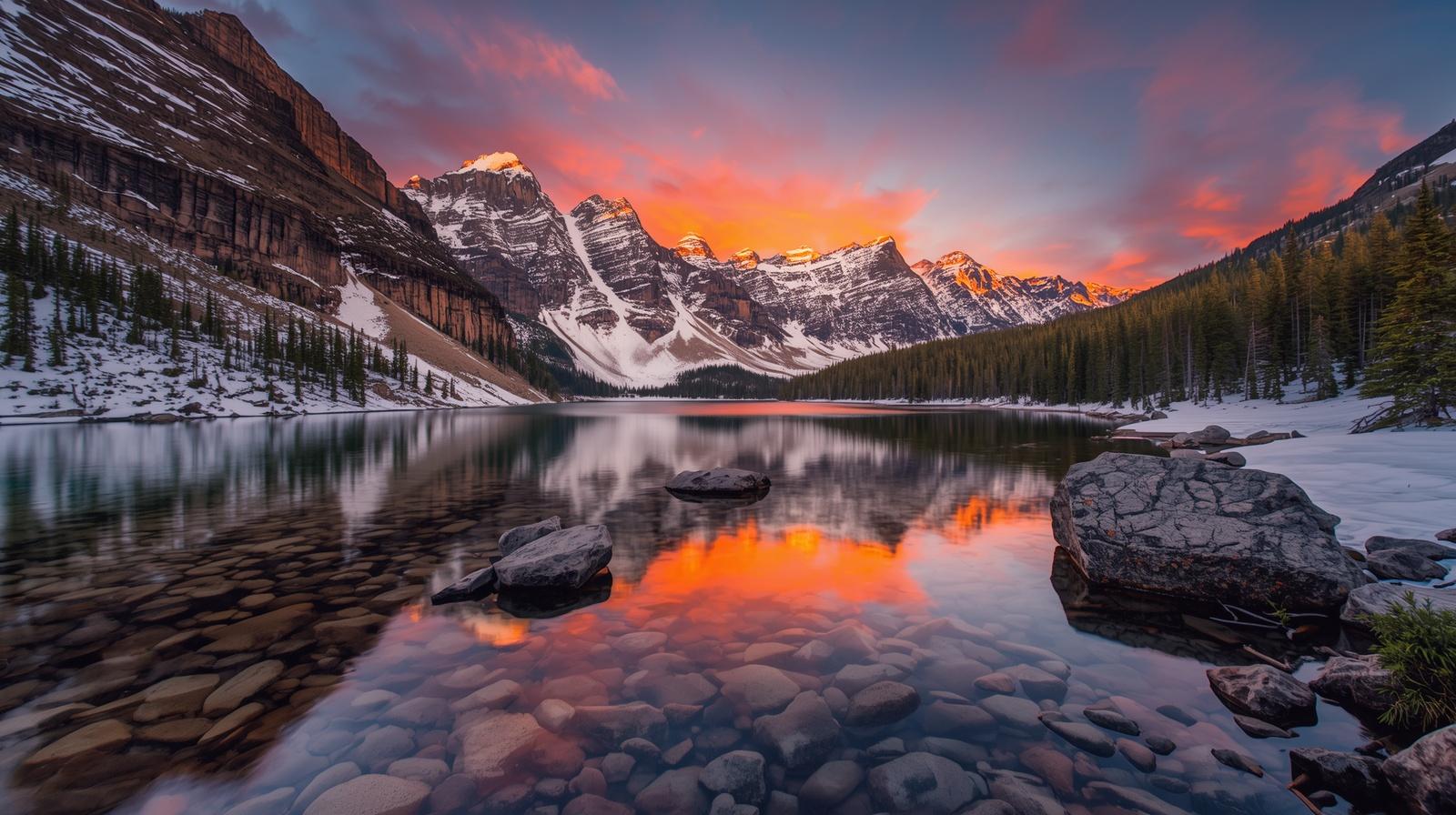
For the dedicated enthusiast, Sky Pond cold plunge RMNP is the holy grail. The hike is a 9-mile round trip involving a scramble up Timberline Falls. Once you reach the pond, you are at 10,900 feet, surrounded by the dramatic “Sharkstooth” spires. The water here is famously cold even in August. After a successful dip, many hikers choose to stay in nearby Estes Park—don’t miss the opportunity for stargazing in Colorado’s high-altitude clear skies to end your day of adventure.
Iron Mountain Hot Springs Cold Pool
If you aren’t ready to hike five miles for a dip, the Iron Mountain Hot Springs cold pool in Glenwood Springs offers a more controlled environment. They feature a dedicated cold plunge pool located right next to their mineral-rich hot springs. This allow for “contrast therapy”—the practice of alternating between extreme heat and extreme cold—which is exceptional for circulation and lymphatic drainage.
Mount Elbert Base Runoff
As the highest peak in the state, Mount Elbert’s surrounding streams are fed by pure snowmelt. In April and May, the runoff pools at the base are at their peak “bite.” It is the perfect mountain cold plunge Colorado experience for those seeking the raw, unadulterated power of the Rockies.
Lake Isabel: A Hidden Gem in the Wet Mountains
Located in the San Isabel National Forest, Lake Isabel is often overlooked by the crowds heading to the Front Range. Its tranquil, deep waters make it a perfect spot for a peaceful, meditative plunge. While exploring the southern reaches of the state, keep an eye out for Colorado’s more obscure attractions, which often hide just off the beaten path near these pristine lakes.
Safety First: How to Plunge Responsibly in 2026
While the rewards are high, Colorado alpine lake plunges come with risks, especially during the spring runoff. Follow these guidelines to stay safe:
- Manage the Gasp Reflex: The initial shock will make you want to hyperventilate. Focus on long, slow exhales to signal to your brain that you are safe.
- Beware of Hypothermia: In 2026, spring temperatures can be deceptive. Even if the air is 60°F, the water may be 35°F. Limit your first few plunges to 60 seconds.
- The “Afterdrop” is Real: Your core temperature continues to drop even after you exit the water. Have your dry layers, a wool hat, and a warm thermos ready *before* you get in.
- Never Plunge Alone: Always have a partner on the shore who can assist if the cold shock becomes overwhelming.
What to Pack for Your Alpine Lake Recovery Hike
Don’t just wing it. A successful ice bath vs. mountain lake plunge experience depends on your gear. We recommend bringing:
- A Changing Robe: Provides privacy and immediate warmth.
- Neoprene Booties: Protects your feet from sharp rocks and prevents the “stinging” sensation in your extremities.
- Waterproof Thermometer: Part of the fun of mountain cold plunge Colorado culture is knowing exactly how cold the water really is!
Frequently Asked Questions
How long should a cold plunge last?
For most people, the therapeutic window is between 2 to 5 minutes. However, beginners should start with 30 to 60 seconds to build tolerance and avoid the risk of hypothermia.
Is it better to cold plunge in the morning or night?
Morning is ideal for a mountain cold plunge. The spike in cortisol and adrenaline provides a natural energy boost. Plunging too late in the evening may interfere with sleep for some individuals due to the increased heart rate and alertness.
Can I cold plunge in the winter in Colorado?
Yes, but it requires “ice breaking” tools and extreme caution. Winter plunging should only be done by those with significant experience and proper thermal recovery gear.
Do I need to submerge my head?
While not strictly necessary for cold plunge benefits for inflammation, submerging the face triggers the “Mammalian Dive Reflex,” which can further slow the heart rate and deepen the relaxation response.
Looking to move closer to the mountains? Contact us today to find your dream home near Colorado’s most beautiful natural wonders.