

As we navigate the economic landscape of 2026, many homeowners and prospective buyers are asking the same question: How does inflation affect home value? While the extreme volatility of the early 2020s has stabilized, the relationship between currency value and tangible assets remains a critical factor for your net worth. Understanding real estate as a hedge against inflation is no longer just for professional investors—it is a vital strategy for anyone looking to protect their financial future.
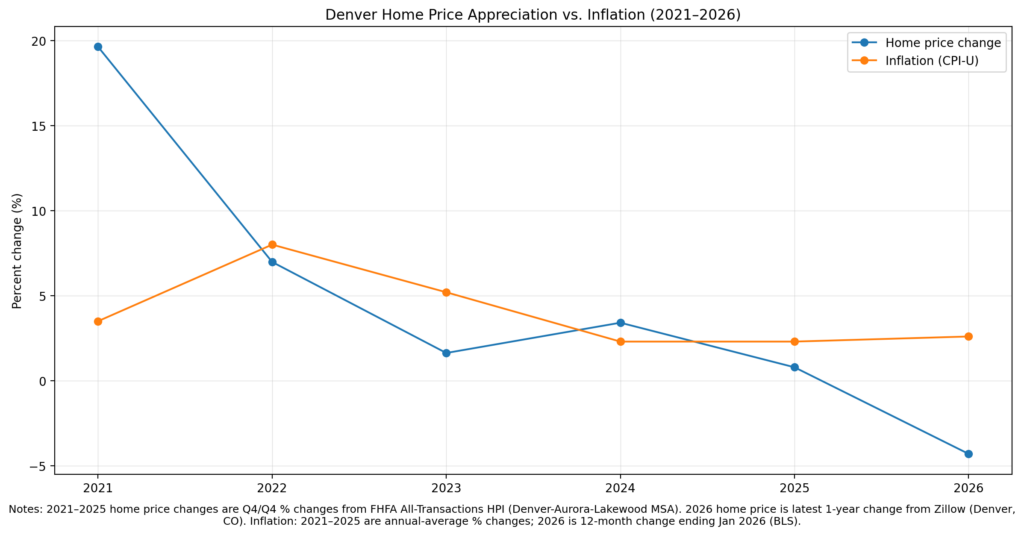
Does Inflation Increase Home Prices?
Historically, inflation has a strong correlation with rising property values. When the cost of goods and services rises, the cost of building materials (like lumber and steel) and labor also increases. This makes new construction more expensive, which in turn drives up the value of existing “resale” homes.
For those buying a house during inflation, it’s important to recognize that real estate is a finite resource. Unlike currency, which can be printed, land and housing are tangible assets. In the current 2026 market, we are seeing that even as the Federal Reserve manages interest rates, home equity continues to climb because housing demand consistently outpaces supply.
Real Estate as a Proven Hedge Against Inflation
One of the most powerful reasons to own property is its role as an “inflation hedge.” This means that as the purchasing power of the dollar decreases, the value of your home typically maintains or exceeds its relative value.
Fixed-Rate Mortgages: Your Shield Against Rising Costs
The “secret weapon” for homeowners is the fixed-rate mortgage inflation hedge. When you secure a fixed-rate loan, your principal and interest payments remain the same for the life of the loan.
- In 2022: A $2,500 mortgage payment felt significant.
- In 2026: Due to wage inflation and the rising cost of living, that same $2,500 payment represents a smaller percentage of the average household budget.
Essentially, you are paying back your bank with “cheaper” dollars while your property—a tangible asset—grows in value.
Renting vs. Buying During Inflationary Periods
For those currently on the fence, the choice between renting vs. buying during inflation is stark. Rent is a consumption cost that is subject to annual increases. Landlords typically raise rents to keep up with their own rising maintenance and tax costs.
By contrast, buying a home “locks in” your biggest monthly expense. While property taxes and insurance may fluctuate, the bulk of your housing cost is protected. This stability is why many experts agree that is real estate a good investment during inflation? The answer is a resounding yes, particularly for those looking for long-term wealth preservation.
Denver Housing Market Inflation Trends
The local context is even more encouraging. The Denver housing market inflation trends show that Colorado remains a high-demand zone. Even with national economic shifts, Denver’s diverse economy and limited inventory have kept home values resilient.
If you are curious about your specific neighborhood’s performance, you can view our latest Denver Market Report or browse current Denver homes for sale to see how prices have shifted this month.
Frequently Asked Questions (FAQ)
How does inflation affect home equity?
Inflation generally boosts home equity. As the market value of your home rises due to inflationary pressure on the housing market, the gap between what you owe and what the home is worth widens, increasing your net worth.
Is it smart to buy a house when inflation is high?
Yes, provided you can secure a manageable interest rate. Buying a house allows you to trade a depreciating asset (cash) for an appreciating asset (real estate) while locking in your housing costs.
Why is real estate considered a tangible asset?
Unlike stocks or bonds, real estate is a physical resource with inherent utility (it provides shelter). Physical assets tend to retain value better than paper assets when currency values fluctuate.
Protect Your Wealth in 2026
Don’t let inflation erode your savings. Whether you’re looking for a new primary residence or an investment property, our team can help you navigate the current Denver market.