

Updated: March 3, 2026
Dealing with sewer issues is a stressful reality for many homeowners, especially in historic Denver neighborhoods where infrastructure is aging. Whether you are currently purchasing a home or maintaining your current residence, understanding your repair options is vital to protecting your investment.
Common Signs of Sewer Line Problems
Before jumping into a full replacement, it is important to recognize the early signs of sewer line backup. If you notice any of the following, you likely need a professional inspection:
- Slow-draining sinks, tubs, or showers throughout the house.
- Unpleasant sewage odors in your basement or yard.
- Lush, unnaturally green patches of grass or pooling water on your lawn.
- Frequent, recurring backups in multiple low-level drains.
Why Denver Homeowners Need a Sewer Scope Inspection
In older Denver neighborhoods like Park Hill, Wash Park, and Capitol Hill, many homes still utilize original clay pipes. These materials are highly susceptible to root intrusion and shifting soil. We highly recommend a sewer scope inspection every two years or as a mandatory step during a home purchase.
For expert diagnostics, we often refer our clients to specialized teams like Vango Inspections, who provide unbiased video evidence of your pipe’s condition without the conflict of interest of being the repair contractor.
Trenchless Sewer Repair vs. Traditional Replacement
Modern technology has made sewer line repair without digging a reality for most homeowners. Here are the two primary modern methods compared to old-school excavation:
1. Cured-in-Place Pipe (CIPP) Lining
Commonly known as “Pipelining,” this involves inserting an epoxy-saturated felt tube into the existing pipe. Once it cures, it creates a new “pipe within a pipe” that is resistant to tree roots.
2. Pipe Bursting
This trenchless sewer repair method involves pulling a new HDPE pipe through the old one, literally “bursting” the old clay or cast iron pipe as it goes. It is ideal for pipes with structural collapses where lining isn’t possible.
3. Traditional Excavation
While invasive, traditional digging is sometimes necessary if the pipe has significant “bellies” (low spots) that require a change in grade to ensure proper flow.
How Much Does Sewer Line Replacement Cost?
One of the most common questions we hear is regarding the sewer line replacement cost. While every job is unique, Denver homeowners should prepare for the following price ranges:
- Sewer Scope: $150 – $300
- Localized Repair: $2,000 – $5,000
- Full Trenchless Replacement: $7,000 – $15,000
- Traditional Excavation: $10,000 – $20,000+ (depending on street/sidewalk access)
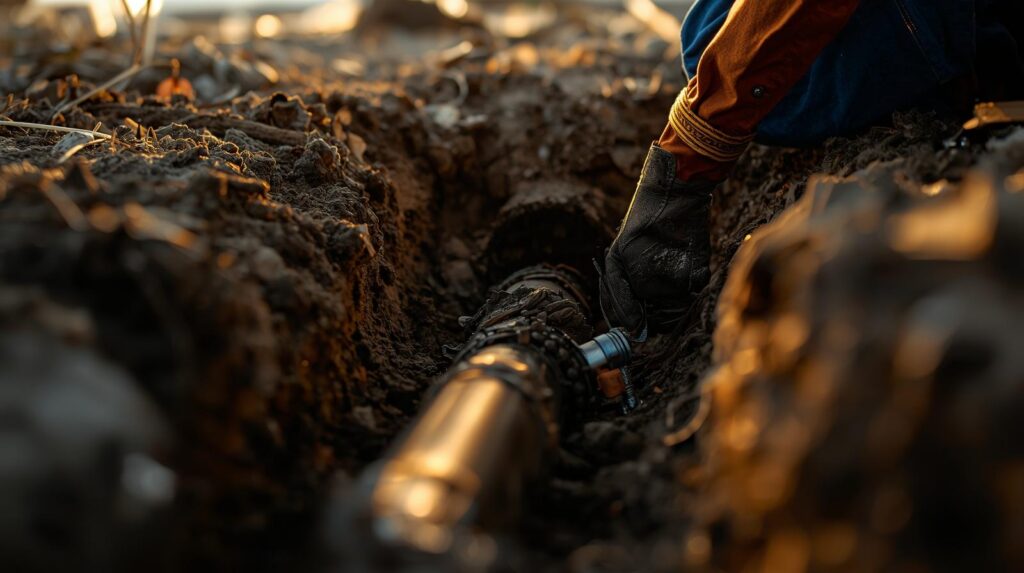
Buying an older home in Denver and worried about the sewer line?
Our expert brokers specialize in the unique needs of Denver’s historic neighborhoods like Highlands, Congress Park, and Baker. Contact us today to ensure your next home inspection covers the big-ticket items that matter most.