
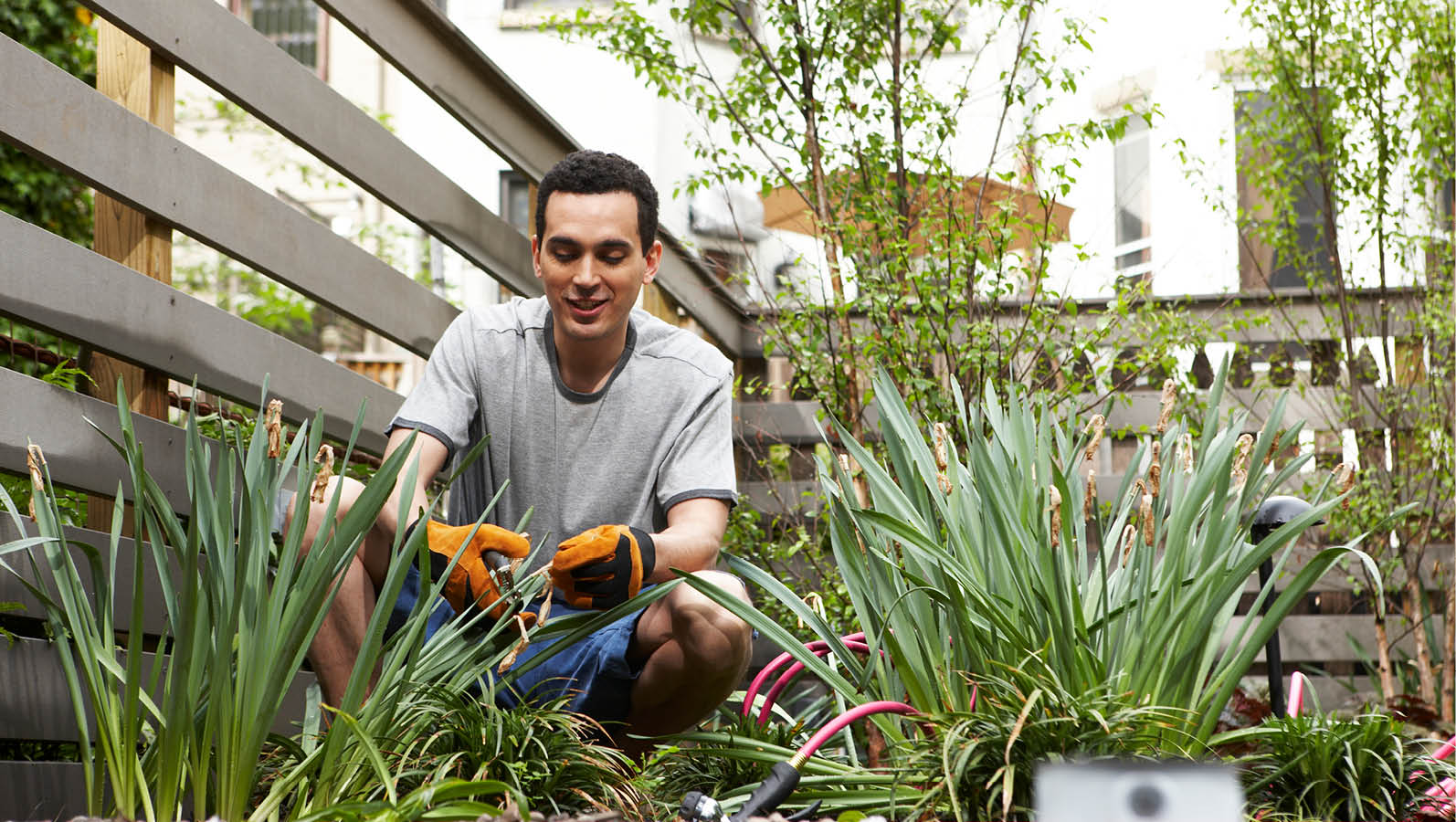
As the March sun begins to warm the Front Range, Denver homeowners are already dreaming of crisp snap peas and sun-ripened tomatoes. While the peaks are still capped with snow, now is the ideal time to begin your Colorado planting guide preparations. Whether you are a seasoned “green thumb” or a first-time homeowner looking to utilize your backyard, 2026 is the perfect year to embrace the outdoors and grow your own food.
The Benefits of Summer Gardening in Colorado
Beyond the harvest, summer gardening in Colorado offers incredible rewards for your health and home. Engaging with nature has been proven to reduce stress and improve mental clarity. It’s a wonderful way to get low-impact exercise while beautifying your property. Plus, there is nothing more satisfying than the taste of vegetable gardening in Denver—fresh produce from your own soil is more nutrient-dense and flavorful than anything you’ll find at the supermarket.
If you’re looking for a home with more outdoor space for a garden, explore our Denver Homes for Sale to find your perfect plot.
When to Plant in Denver: Navigating the Front Range Climate
The biggest challenge for local gardeners is the unpredictable weather. High altitudes and dry air mean our “growing season” is shorter than in other states. The most important rule to remember is the Denver Mother’s Day planting rule. While it’s tempting to plant during a warm week in April, Colorado’s “last frost” typically occurs in mid-May.
Quick Facts: The Denver Mother’s Day Rule
- Hardy Vegetables: Onions, kale, and spinach can go in the ground as early as late March or April.
- Tender Plants: Wait until after Mother’s Day (May 10, 2026) for tomatoes, peppers, and cucumbers.
- The “Wait and See”: Always check the 10-day forecast for late-season snow or freezes before committing your seedlings to the earth.
Don’t forget the threat of spring storms. Investing in hail protection for garden Colorado structures, such as hail netting or weighted buckets to cover plants, is a must-have for any Denver gardener.
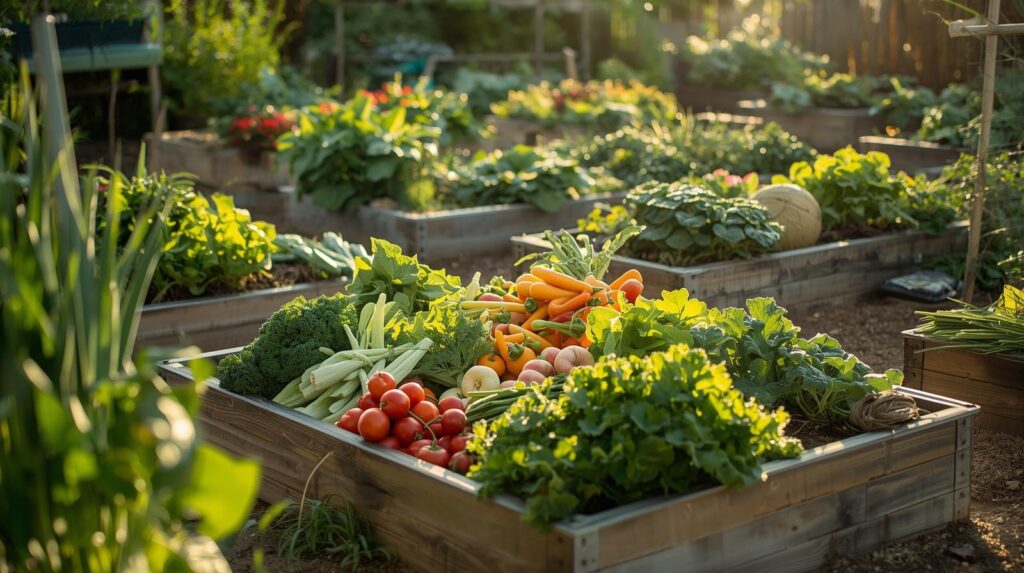
Gardening in Clay Soil: Why Raised Garden Beds Work Best in Colorado
The natural soil in the Denver metro area is notorious for its heavy clay content. Gardening in clay soil in Colorado can be difficult because the dirt compacts easily, making it hard for roots to breathe and water to drain. This is why we highly recommend using raised garden beds in Colorado.
By building or buying raised beds, you can control the soil quality from the start. We recommend a mix of high-quality topsoil, compost, and organic matter to give your vegetables the best chance to thrive. Different neighborhoods have different micro-climates; see our Denver Neighborhood Guide to see how your specific area might affect your growing conditions.
Local Denver Gardening Resources & Expert Tips
You don’t have to go it alone. Denver has incredible local resources to help you succeed:
- City Floral: A staple for vegetable gardening in Denver, City Floral offers a massive variety of seeds, starts, and expert advice tailored to our climate.
- CSU Extension: For the most scientific approach, the CSU Extension gardening tips provide data-driven guides on everything from pest control to irrigation.
- Jeffco Gardener: A great local resource for those on the west side of town looking for high-altitude specific advice.
Ready to find your garden-ready home?
Dreaming of a backyard big enough for a greenhouse or a sprawling vegetable patch? Our team at Usaj Realty knows the Denver market inside and out. Contact us today to find your perfect home with the outdoor space you’ve always wanted.