
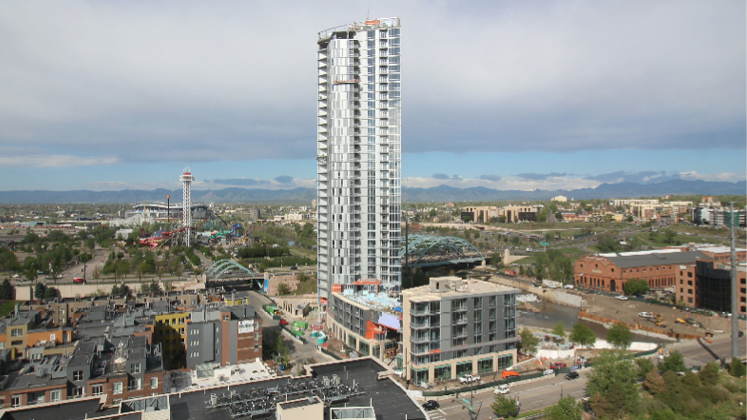
Current Denver Apartment Market Trends and Data
The Denver housing market 2026 landscape has evolved significantly. While 2017 saw record numbers, 2026 is defined by the completion of high-density projects in the urban core. Recent data indicates that vacancy rates have stabilized around 5.4%, even with the influx of new inventory.
- Inventory Growth: Over 18,000 new units are scheduled for completion in the Denver metro area by the end of 2026.
- Average Rent: The median rent for a one-bedroom apartment in Denver has climbed to approximately $1,950, varying by neighborhood.
- Market Driver: High mortgage rates for single-family homes continue to fuel the demand for high-end rental units.
Why New Apartment Construction in Denver is Still Surging
The Lack of Affordable Single-Family Homes
The dream of homeownership remains a challenge for many. With the inventory of starter homes at historic lows, many residents are choosing to stay in the rental market longer. If you are currently weighing your options, you can find your Denver dream home through our search tool, but many are finding the flexibility of modern apartments more appealing in the current economic climate.
Transit-Oriented Development and the FasTracks Legacy
The legacy of the FasTracks project continues to shape the city. We are seeing a massive concentration of new apartment construction in Denver clustered around light rail stations. Neighborhoods like RiNo and Union Station have become hubs for Denver transit-oriented development, catering to a car-free lifestyle that appeals to both Gen Z and downsizing Baby Boomers.
Renting vs. Buying in Denver: The 2026 Financial Reality
When analyzing renting vs buying in Denver 2026, the “Amenity War” is a deciding factor. 2026 builds are no longer just offering a gym; they are featuring integrated coworking spaces, high-speed fiber throughout the building, and electric vehicle charging stations as standard features. For those moving from out of state, our 2026 Relocation Guide provides a detailed cost-of-living breakdown.
For a deeper dive into the numbers, visit our Denver Housing Market Trends page for monthly updates on price-per-square-foot and neighborhood-specific data.
Frequently Asked Questions: Denver Rental Market 2026
Is the Denver apartment boom slowing down in 2026?
No, the boom remains steady. While the pace of new project starts has moderated compared to the early 2020s, 2026 is seeing a record number of project completions. Demand remains high due to Denver’s strong job market and the continued trend of transit-oriented development.
What is the average rent in Denver in 2026?
As of April 2026, the average rent for a one-bedroom apartment in the Denver metro area is approximately $1,950. Prices vary significantly by neighborhood, with luxury units in RiNo and Cherry Creek often exceeding $2,500.
Is it better to rent or buy in Denver right now?
The decision to rent vs. buy in Denver in 2026 depends on your financial goals. With mortgage rates remaining elevated, many find that renting a modern apartment with high-end amenities offers better short-term value and flexibility than purchasing a single-family home in a competitive market.
Which Denver neighborhoods have the most new apartment construction?
The highest concentration of new construction is found near transit hubs. Neighborhoods like Union Station, RiNo (River North), and the areas surrounding the West Line and A-Line light rail stations are seeing the most significant growth in multi-family housing.
Conclusion: Navigating the Denver Housing Market
Whether you are looking for a luxury high-rise in the Cherry Creek area or a transit-friendly loft in Downtown, the Denver rental market forecast remains robust. The “boom” isn’t a bubble—it’s a fundamental shift in how Denverites live and work.
Ready to make a move?
Stay ahead of the market. Contact USAJ Realty today for expert guidance on the Denver rental and housing landscape.