

The journey to homeownership is more than just a financial transaction; it’s a milestone that defines your future. As we move through the Denver real estate market trends of 2026, staying informed is your greatest advantage. Whether you are looking for a primary residence or a strategic investment, these seven steps will guide you through the complexities of the current Colorado market.
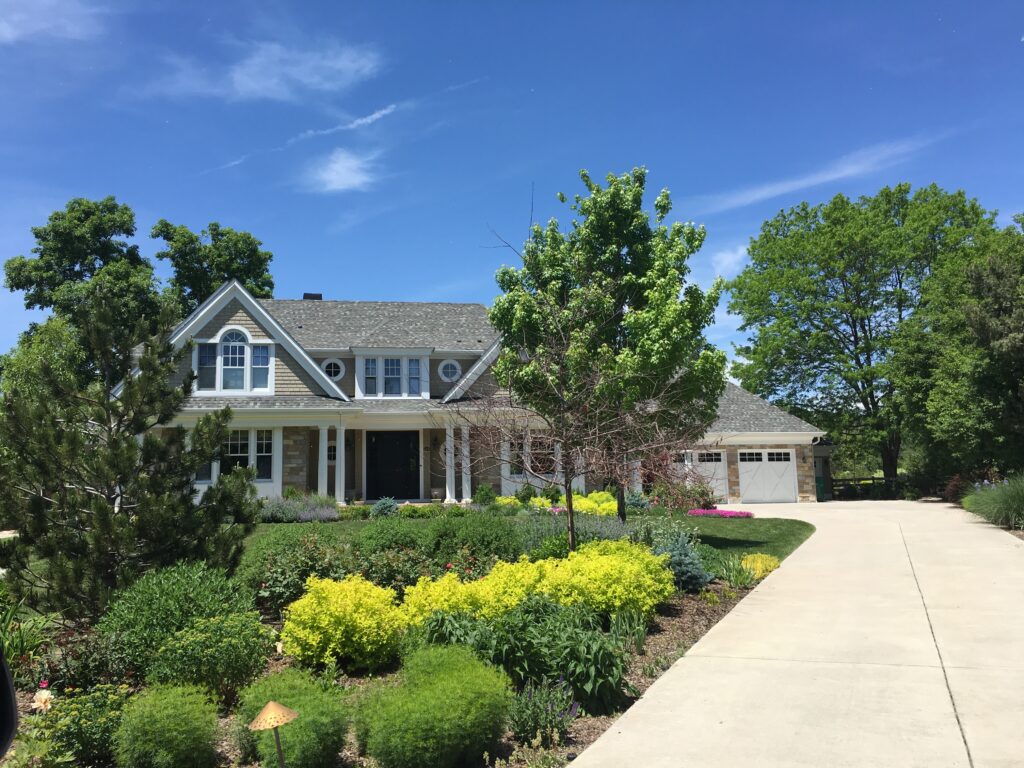
1. Understanding the Denver Real Estate Market Forecast 2026
The Denver housing market forecast for 2026 indicates a stabilizing environment compared to the volatility of previous years. While inventory remains a topic of discussion, buyers today have more leverage and options than during the 2021 peak. Before you start touring homes, it is vital to research current local market reports to understand price-per-square-foot trends in your target zip codes.
2. Checking Your Credit Score for a Home Loan in Colorado
Your credit score is the gatekeeper to your mortgage interest rate. In 2026, lending standards remain diligent. To secure the most competitive rates, aim for a FICO score in the “Very Good” to “Exceptional” range (740+).
- Check for errors: Use tools like myFICO to ensure your report is accurate.
- Debt-to-Income (DTI): Lenders are looking for a healthy debt to income ratio for mortgage 2026 approvals, typically staying below 43% for most conventional loans.
3. Exploring Colorado Mortgage Assistance Programs 2026
Many first-time buyers are unaware of the financial support available at the state level. Programs like the Colorado Housing and Finance Authority (CHFA) offer down payment assistance and competitive fixed-rate mortgages. Researching these Colorado mortgage assistance programs in 2026 can significantly lower your “cash-to-close” requirements.
4. Calculating the Hidden Costs of Owning a Home in Denver
Beyond the mortgage payment, you must account for the hidden costs of owning a home in Denver, including HOA fees, maintenance, and fluctuating Denver property tax rates by neighborhood. We recommend creating a “Mock Household Budget” for three months before buying to ensure you are comfortable with the projected monthly carry.
| Expense Item | Estimated Monthly Cost |
|---|---|
| Principal & Interest | $2,800 |
| Property Taxes & Insurance | $450 |
| Maintenance Reserve (1%) | $350 |
5. Picking the Best Denver Neighborhoods for Families in 2026
Location is the only thing you can’t change about a property. If you are looking for the best Denver neighborhoods for families in 2026, consider proximity to top-rated schools, parks, and commute times to the Denver Tech Center or Downtown.
Explore our deep-dives into the Highlands Neighborhood or the iconic Washington Park (Wash Park) area. Don’t forget to check our list of the Top Neighborhoods in Denver for the latest rankings.
6. Partnering with a Local Denver Real Estate Expert
Navigating steps to buy a house in Colorado is significantly easier with a professional advocate. A specialized broker doesn’t just find homes; they provide data-driven insights into neighborhood appreciation and negotiate aggressively on your behalf in a competitive 2026 market.
7. Get Your 2026 Denver Home Buyer’s Kit
Are you ready to stop renting and start building equity? The first step is education. Download our comprehensive 2026 Denver Home Buyer’s Kit or schedule a 15-minute market strategy call with our team today.
Ready to Start Your Journey?
Contact Usaj Realty today for a personalized 2026 market consultation.
Frequently Asked Questions
Q: What is the first step in the home-buying process?
A: The very first step is assessing your financial readiness. This includes checking your credit score, calculating your debt-to-income ratio, and determining how much you have saved for a down payment and closing costs.
Q: How much money do I really need for a down payment?
A: While 20% is the traditional benchmark to avoid private mortgage insurance (PMI), many buyers qualify for FHA loans with as little as 3.5% down, or even 3% for certain conventional first-time buyer programs. VA loans offer 0% down for eligible veterans.
Q: Why do I need a pre-approval letter before looking at homes?
A: A pre-approval letter establishes your budget and shows sellers you have the financial backing to complete the purchase. In competitive markets, many sellers will not even allow a showing or consider an offer without one.
Q: What are closing costs, and who pays them?
A: Closing costs are fees associated with the real estate transaction, including appraisal fees, title insurance, and loan origination fees. They typically range from 2% to 5% of the purchase price. While they are usually paid by the buyer, some sellers may offer “concessions” to cover a portion of them.
Q: How long does the home-buying process usually take?
A: On average, the process takes 30 to 60 days from the time your offer is accepted to the day you get your keys. However, the search for the right home can take anywhere from a few weeks to several months depending on market inventory.
Editor’s note: This blog was originally published in 2016 and last updated in March 2026 to reflect current Denver market conditions, FICO lending standards, and interest rate trends.