
Feeling the Crunch? Understanding Buyer’s Remorse in Real Estate
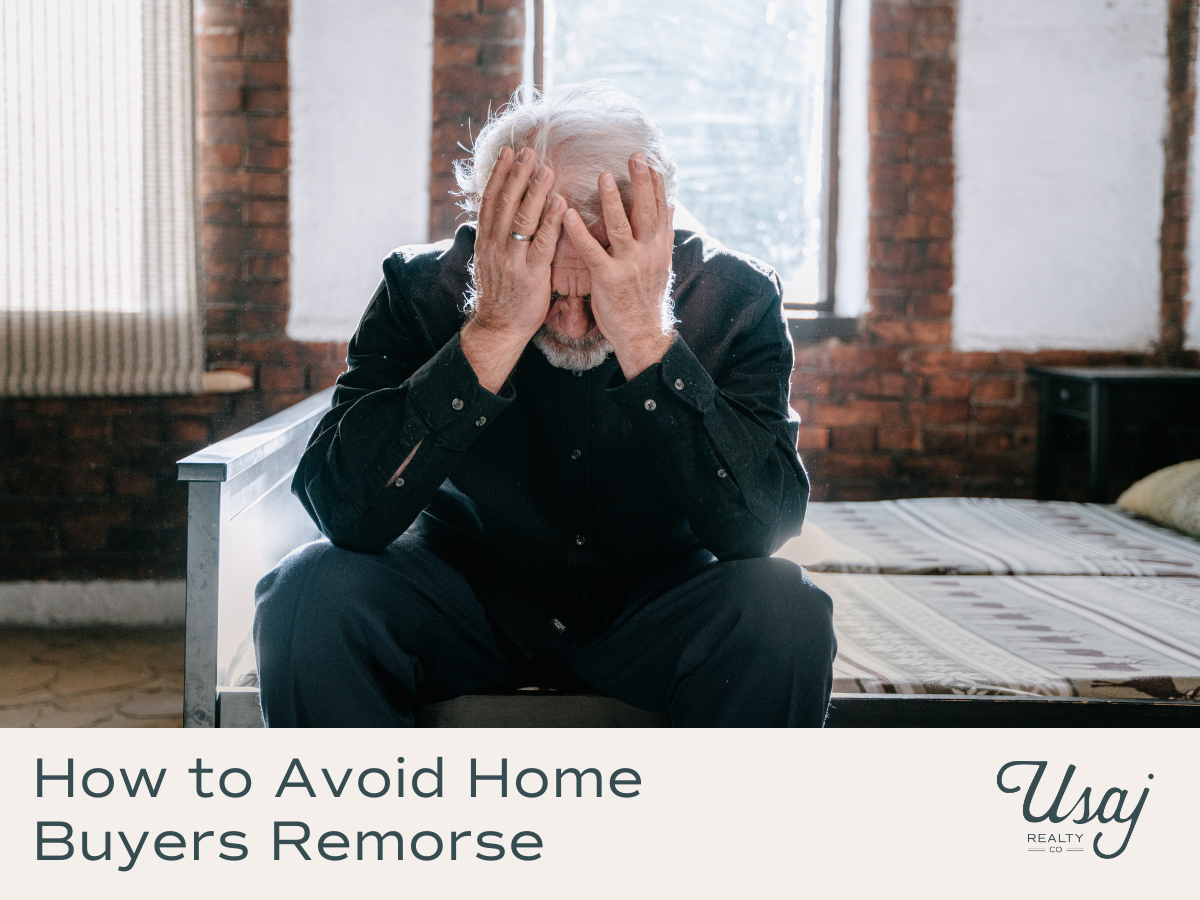
Purchasing a home is likely the largest financial commitment you’ll ever make. In a competitive market like Denver, the process often moves at lightning speed. It’s no wonder that once the ink is dry on the contract, many buyers experience a sinking feeling known as buyer’s remorse.
If you’re wondering if you made the right choice, you aren’t alone. Seeking out low-pressure real estate advice in Denver can help you navigate these feelings and ensure your real estate investment remains a source of pride, not panic.
What Causes Buyer’s Remorse?
Buyer’s remorse in real estate typically stems from a few key factors:
- The “Speed” Factor: In hot markets, buyers often feel pressured to make offers quickly, leading to “did I miss something?” anxiety later.
- Financial Weight: Seeing the final mortgage payment and closing costs on paper can cause temporary sticker shock.
- Maintenance Fears: Realizing the responsibility of repairs and upkeep for a new property.
- Compromise Regret: Wondering if you should have held out for that extra bedroom or the bigger backyard.
How to Mitigate Regret During the Buying Process
The best way to handle buyer’s remorse is to prevent it before it starts.
- Stick to Your Budget: Don’t let a bidding war push you beyond your comfort zone. Learning how to budget for a home properly is the first step in avoiding financial anxiety later.
- Define Your “Must-Haves”: Distinguish between “nice-to-haves” and absolute essentials before you start touring homes.
- Trust the Inspection: A thorough home inspection provides peace of mind that there are no hidden “money pits” waiting for you.
- Work with an Expert: A seasoned Denver real estate agent can provide an objective perspective when emotions run high.
Is It “Cold Feet” or a Real Problem?
It’s important to distinguish between standard nerves and a genuine issue with the property. If your concerns are about the specific community or local amenities, reviewing a guide to the best Denver neighborhoods can help reaffirm your choice. If you have concerns about the home’s structural integrity, consult your agent immediately to review your inspection contingencies and objection deadlines.
However, if you’re just nervous about the lifestyle change, take a deep breath—this is a normal part of the journey toward homeownership. Keeping an eye on the Denver real estate market report can also give you confidence that you are buying into a historically strong and resilient market.
Frequently Asked Questions
Q: Is it normal to have buyer’s remorse after buying a house?
A: Yes, it is extremely common. Most homeowners experience some level of anxiety or “cold feet” shortly after their offer is accepted or after closing. This is a natural reaction to a significant life change and a large financial investment.
Q: What should I do if I feel buyer’s remorse?
A: First, identify the source of your stress. If it’s financial, revisit your budget and mortgage plan. If it’s the house itself, review your inspection report to remind yourself why the home is a sound investment. Usually, these feelings fade once you begin making the house your own.
Q: Can I back out of a home purchase if I have buyer’s remorse?
A: While you can technically back out, doing so without a valid legal reason (like a failed inspection or financing issue) may result in the loss of your earnest money deposit. Always consult with your real estate agent and review your contract contingencies before making this decision.
Q: How can I avoid buyer’s remorse in a competitive market?
A: To avoid regret, stay disciplined. Don’t skip the home inspection, stay within your pre-approved budget, and don’t settle for a home that lacks your “must-have” features just to “win” a house.