
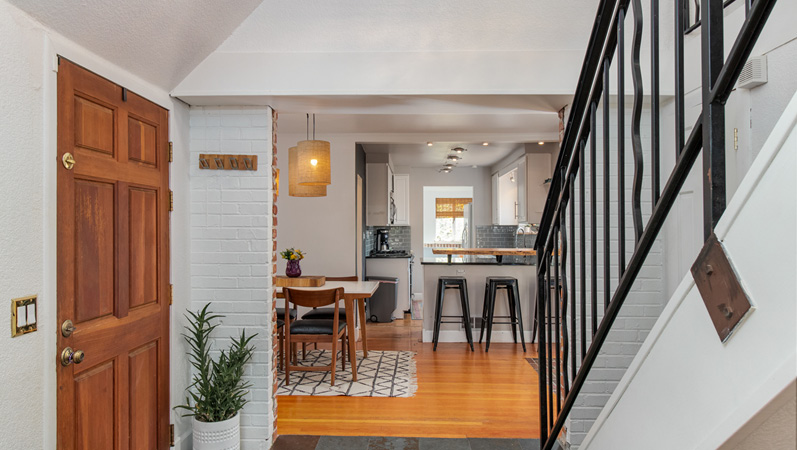
Navigating the Denver housing market trends can feel daunting, especially with the shifts we’ve seen heading into 2026. While the “pandemic frenzy” has cooled, the market remains competitive due to low inventory and steady demand. Whether you are a local resident or relocating, buying a house in Denver requires a strategic approach and up-to-date data.
As of late 2025, the average home price in the Denver metro area has stabilized around $525,000 – $550,000 for detached single-family homes, a significant shift from a few years ago. To help you succeed, here are 7 expert tips for navigating the current landscape.
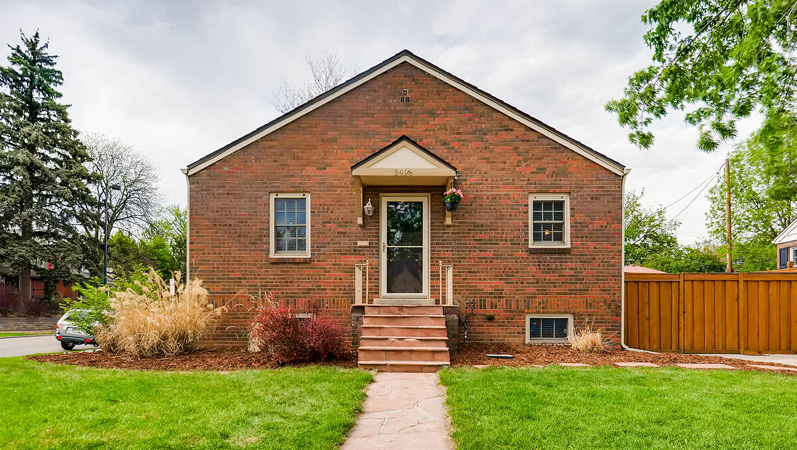
Step 1: Get Mortgage Pre-Approval & Organize Your Finances
Before you start browsing Zillow, you need to know exactly what you can afford. In a market where interest rates are a primary factor, having a formal pre-approval letter is non-negotiable. This shows sellers you are a serious buyer and allows you to move quickly when the right home hits the market.
Pro Tip: Use a mortgage calculator to see how much house can I afford in Denver based on current 2026 interest rates.
Step 2: Research Denver Neighborhood Trends & Home Prices
Denver is a city of distinct neighborhoods, each with its own price point and “vibe.” From the historic charm of Park Hill to the modern energy of RiNo, where you buy matters as much as what you buy.
Check out our guide to the best neighborhoods in Denver for first-time buyers to find up-and-coming areas that offer the best long-term appreciation.
Step 3: Find an Experienced Denver Real Estate Agent
The Denver market moves fast. You need a partner who understands local inventory levels and negotiation tactics. Don’t just pick a name off a sign; work with an experienced Denver real estate agent who can provide “off-market” insights and hyper-local data.

For Sale: 1863 Wazee St. #2C, Denver, CO 80202
Step 4: How to Save for a Down Payment & Closing Costs
While the 20% down payment is a “gold standard,” many first-time home buyer tips highlight programs that allow for as little as 3% to 3.5% down. In Denver, you should also budget 2-3% of the purchase price for closing costs.
Step 5: Why a Home Inspection is Critical in the Denver Market
With many Denver homes dating back to the early 1900s, a thorough inspection is your best defense. Ensure your home inspection checklist for buyers includes a sewer scope and a radon test—two critical items for the Colorado landscape.
Step 6: Buying a Home in a Competitive Market
Even in a more balanced market, “turn-key” homes in popular areas like Wash Park or the Highlands often see multiple offers. To win, consider being flexible with your closing date or offering a “post-closing occupancy agreement” to give the seller more time to move.
Step 7: Focus on Long-Term Investment & Resale Value
Buying a house in Denver isn’t just about finding a place to live; it’s a financial milestone. Look for features that hold value: proximity to the Light Rail, updated systems, and “good bones.” Even if it’s your “starter home,” think about the next buyer five to ten years down the road.
Comprehensive FAQ Section
Q: How do I know if it is a good time to buy a home?
A: The best time to buy is when you are financially prepared and plan to stay in the home for at least 3–5 years. Market timing is difficult even for experts; focusing on your personal budget and long-long-term goals is a more reliable strategy than trying to “time the bottom” of the market.
Q: What is the first step in the home-buying process?
A: The very first step is reviewing your finances and obtaining a mortgage pre-approval. This establishes your budget and ensures you are looking at homes within your price range, saving you time and potential disappointment.
Q: How can a real estate agent help in a competitive market?
A: A local real estate agent provides professional negotiation skills, access to “off-market” properties, and expert guidance on how to structure an offer that stands out to sellers without over-leveraging your finances.
Q: What should I look for during a home inspection?
A: Focus on “big ticket” items like the foundation, roof, HVAC system, and electrical wiring. Cosmetic issues like peeling paint or dated carpet are easy to fix, but structural or safety concerns should be addressed before closing.
Ready to start your journey?
The 2026 market offers unique opportunities for those who are prepared. Schedule a consultation with one of our local experts today to see the latest Denver metro real estate prices and find your perfect home.
(Editor’s note: This blog was last updated in February of 2026. It has been updated to provide new information).